

How does the GPU performance of wall mount tablet processors impact digital signage applications?
As digital signage applications grow more sophisticated—incorporating high-resolution videos, real-time data visualization and interactive elements—the demand for robust GPU performance in wall mount tablets continues to rise. Businesses and organizations rely on these devices to convey information clearly, attract customer attention and enhance brand experiences. Understanding the specific impacts of GPU performance on digital signage applications is essential for both manufacturers designing wall mount tablets and end-users selecting the right devices for their needs.
This article will first provide an overview of the role of wall mount tablets in digital signage applications and the growing importance of GPU performance. It will then delve into the technical aspects of how GPU performance affects key functions of digital signage, such as content rendering, video playback and interactive response. Further sections will explore the commercial implications of GPU performance, including its effects on user engagement, deployment costs and brand reputation. Real-world application cases will be presented to illustrate these impacts, followed by a conclusion summarizing the key insights and future trends.
By examining the relationship between GPU performance and digital signage effectiveness, this article aims to offer valuable guidance for stakeholders in the digital signage ecosystem, helping them make informed decisions about wall mount tablet selection and deployment strategies.
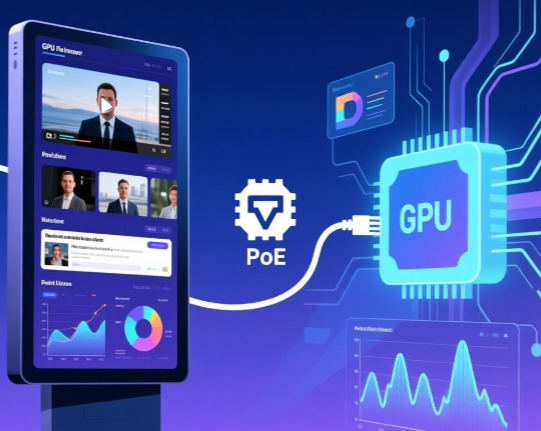
GPU performance
- Introduction
1.1 The Evolution of Digital Signage and Wall Mount Tablets
Digital signage has evolved from simple static displays to dynamic, interactive platforms that serve diverse purposes—from advertising and wayfinding to information dissemination and customer engagement. Wall mount tablets have emerged as a preferred hardware solution for digital signage due to their compact design, easy installation and versatility. These devices are deployed in retail stores, airports, hotels, corporate lobbies and numerous other locations, where they deliver tailored content to specific audiences.
The shift toward more engaging and complex digital signage content has placed greater demands on the hardware components of wall mount tablets. Among these components, the GPU has become increasingly critical. Unlike traditional signage displays that relied on basic graphics rendering, modern digital signage requires the ability to process high-definition videos, 3D animations and real-time data feeds. The GPU, as the dedicated component for handling graphics and video tasks, directly dictates the wall mount tablet’s ability to meet these demands.
1.2 The Growing Significance of GPU Performance
In the context of digital signage, audience attention is a valuable commodity. High-quality, smooth content presentation is essential for capturing and retaining this attention. A wall mount tablet with a high-performance GPU can deliver crisp, vivid visuals and seamless video playback, while a underperforming GPU may result in laggy video, distorted images or slow response to user interactions. These issues not only diminish the user experience but also undermine the effectiveness of the digital signage campaign.
Furthermore, the integration of advanced technologies such as augmented reality and real-time content updates has made GPU performance even more crucial. For example, digital signage in retail environments may need to display real-time inventory information overlaid on product images, a task that requires significant GPU processing power. Similarly, interactive digital signage that responds to touch or gesture inputs relies on the GPU to render visual feedback quickly and smoothly.
As businesses increasingly invest in digital signage to gain a competitive edge, the role of GPU performance in wall mount tablets cannot be overstated. It has become a key differentiator in the market, influencing both the functionality and the overall value of the digital signage solution.
- Technical Explanation: How GPU Performance Impacts Digital Signage
2.1 Content Rendering Quality and Efficiency
The primary function of a GPU in wall mount tablets for digital signage is content rendering. This process involves converting digital content—such as images, text and animations—into visual output that can be displayed on the LCD IPS panel. GPU performance directly affects the quality and efficiency of this rendering process.
A high-performance GPU can handle high-resolution content with ease, ensuring that images and text are sharp and clear even on large LCD IPS panels. It can also render complex graphics, such as 3D product models or dynamic data visualizations, without compromising on quality. In contrast, a low-performance GPU may struggle with high-resolution content, leading to pixelation, blurriness or artifacts in the rendered images. This is particularly problematic for digital signage applications that rely on high-quality visuals to attract attention, such as retail advertising or luxury brand displays.
Efficiency is another key aspect of content rendering impacted by GPU performance. A efficient GPU can render content quickly, reducing the time it takes for the wall mount tablet to display new content. This is essential for digital signage applications that require frequent content updates, such as real-time news feeds or dynamic pricing displays. Fast rendering also ensures that transitions between different content pieces are smooth, avoiding jarring or disruptive visual breaks that can distract the audience.
2.2 Video Playback Smoothness
Video content is a staple of modern digital signage, and GPU performance is critical for ensuring smooth video playback. Digital signage often uses high-definition or even 4K video content to create immersive experiences, and the GPU must be capable of decoding and playing back these video files without lag, stuttering or frame drops.
A high-performance GPU supports advanced video decoding standards, such as H.265/HEVC, which allows for efficient playback of high-resolution video with minimal CPU offloading. This not only ensures smooth video playback but also reduces the overall system load, helping the wall mount tablet maintain stable performance even during extended periods of video playback. For digital signage applications that run video content 24/7, such as airport information displays or hotel lobby videos, this stability is essential to avoid disruptions to the user experience.
Frame rate is another important factor influenced by GPU performance. A higher frame rate results in smoother video playback, making the content more engaging and natural to watch. A high-performance GPU can maintain a consistent frame rate even for high-resolution video, while a low-performance GPU may struggle to keep up, leading to choppy playback. This can significantly diminish the impact of the video content, especially for dynamic or action-packed videos used in advertising.
2.3 Interactive Response Speed
Many modern digital signage applications are interactive, allowing users to engage with the content through touch, gesture or other input methods. GPU performance plays a crucial role in determining the response speed of these interactive elements.
When a user interacts with the wall mount tablet’s LCD IPS panel—such as tapping on a menu option or swiping through content—the GPU must quickly render the visual feedback to the user. A high-performance GPU can process these interactions and display the corresponding visual changes in real time, creating a seamless and intuitive user experience. In contrast, a low-performance GPU may have a delay in rendering the feedback, leading to a lag between the user’s input and the on-screen response. This lag can frustrate users and discourage further interaction, undermining the effectiveness of the interactive digital signage.
Interactive digital signage applications that use augmented reality are particularly dependent on high GPU performance. AR applications require the GPU to process real-time camera input, overlay digital content onto the live view and render the combined image on the LCD IPS panel—all in a fraction of a second. A powerful GPU is essential for maintaining the accuracy and smoothness of the AR experience, ensuring that the digital overlay aligns correctly with the real-world environment and updates in real time as the user moves or interacts with the display.
2.4 Multi-Content Display Capabilities
Many digital signage deployments require wall mount tablets to display multiple content elements simultaneously—such as a video playing alongside a text ticker and a static image. This multi-content display places additional demands on the GPU, which must render and manage multiple layers of content at the same time.
A high-performance GPU can handle multi-layer content rendering efficiently, ensuring that all content elements are displayed clearly and without interference. It can also adjust the transparency and positioning of each content layer with precision, allowing for creative and engaging content layouts. For example, a retail digital signage display might show a product video in the main area, a real-time promotion in a corner and a store map in another section—all rendered simultaneously by the GPU.
In contrast, a low-performance GPU may struggle to handle multiple content layers, leading to overlapping or distorted content, or even crashes in extreme cases. This can make the digital signage display confusing and unprofessional, failing to convey the intended message to the audience. For businesses that rely on multi-content displays to communicate multiple pieces of information at once, such as airports or train stations, GPU performance is a critical factor in ensuring the effectiveness of the signage.
- Commercial Impact of GPU Performance in Digital Signage Applications
3.1 Influence on User Engagement and Conversion Rates
The ultimate goal of many digital signage applications—especially advertising and retail displays—is to engage users and drive specific actions, such as making a purchase or inquiry. GPU performance directly impacts user engagement by influencing the quality of the content presentation.
High-quality, smooth content delivered by a high-performance GPU is more likely to attract and retain audience attention. Studies have shown that engaging digital signage content can increase brand awareness and influence purchasing decisions. For example, a retail store using wall mount tablets with high GPU performance to display vivid product videos and interactive product catalogs may see higher customer engagement and increased sales. Conversely, a display with laggy video or distorted graphics is likely to be ignored by users, failing to deliver on the intended marketing objectives.
Conversion rates are also affected by GPU performance, particularly for interactive digital signage. A seamless interactive experience encourages users to engage more deeply with the content, increasing the likelihood that they will take the desired action. For instance, an interactive digital signage kiosk that allows users to browse products and make purchases directly requires fast GPU performance to ensure smooth navigation and checkout. A laggy or unresponsive interface would likely deter users from completing the purchase, reducing conversion rates and revenue.
3.2 Impact on Deployment Costs and Total Cost of Ownership
GPU performance has a significant impact on the deployment costs and total cost of ownership of wall mount tablet-based digital signage solutions. Wall mount tablets with high-performance GPUs typically have a higher upfront cost compared to those with lower GPU performance. However, this higher upfront investment can be offset by lower long-term costs and better return on investment.
High-performance GPUs enable wall mount tablets to handle more complex content and applications, reducing the need for additional hardware or specialized equipment. For example, a single wall mount tablet with a powerful GPU can replace multiple dedicated devices for video playback, content management and interaction processing. This consolidation reduces hardware procurement costs, as well as installation and maintenance costs.
Furthermore, wall mount tablets with high-performance GPUs tend to have longer lifespans. As digital signage content becomes more complex over time, these devices can continue to meet the evolving performance requirements, avoiding the need for premature replacement. In contrast, wall mount tablets with low-performance GPUs may become obsolete quickly, requiring frequent upgrades to keep up with new content demands. This increases the total cost of ownership over time, as businesses must invest in new hardware more frequently.
Energy efficiency is another factor to consider. Modern high-performance GPUs are designed to be more energy-efficient, reducing power consumption even while handling complex tasks. This can lead to significant cost savings for businesses that operate digital signage displays 24/7, as lower power consumption translates to lower electricity bills.
3.3 Effect on Brand Reputation
Digital signage is often a reflection of a brand’s image and quality standards. A high-quality, professional-looking digital signage display can enhance brand reputation, while a poorly performing display can damage it. GPU performance plays a key role in determining the perceived quality of the digital signage.
Brands that invest in wall mount tablets with high GPU performance to deliver smooth, vivid content demonstrate a commitment to quality and customer experience. This can help build trust and loyalty among customers. For example, a luxury hotel using high-performance wall mount tablets for digital signage in its lobby can create a sophisticated and welcoming atmosphere, reinforcing its brand identity. On the other hand, a hotel with laggy or distorted digital signage may give the impression of being outdated or unprofessional, discouraging potential customers.
In public spaces such as airports or train stations, digital signage is often used to convey important information to a large number of people. A reliable, high-performance digital signage solution ensures that this information is displayed clearly and accurately, enhancing the public’s perception of the organization responsible for the signage. A poorly performing display that fails to render information correctly can lead to confusion and frustration, damaging the organization’s reputation.
- Typical Use Cases
4.1 Retail Store Product Promotion Signage
A large retail chain specializing in electronics decided to upgrade its in-store digital signage to enhance product promotion. The chain deployed wall mount tablets in each store, using them to display high-resolution product videos, interactive product specifications and real-time promotional offers. The goal was to attract customers’ attention, provide detailed product information and drive sales.
The retail chain initially tested two types of wall mount tablets: one with a high-performance GPU and another with a mid-range GPU. The tablets with high-performance GPUs delivered smooth 4K video playback and responsive interactive features. Customers were able to tap on the LCD IPS panel to browse different product models, view 3D product renderings and access detailed specifications without any lag. The high-quality visuals and seamless interaction led to increased customer engagement—store staff reported that customers spent more time viewing the digital signage and asking questions about the products.
In contrast, the tablets with mid-range GPUs struggled with the 4K video content, resulting in occasional stuttering and frame drops. The interactive features also had a noticeable lag, which frustrated some customers. Sales data from the test period showed that the stores using the high-performance GPU tablets saw a 15% increase in sales of the promoted products compared to the stores using the mid-range GPU tablets.
Based on these results, the retail chain rolled out the high-performance GPU wall mount tablets across all its stores. The investment paid off, with overall sales of promoted products increasing by 12% across the chain. The digital signage also received positive feedback from customers, who praised the clear visuals and easy-to-use interface.
4.2 Airport Wayfinding and Information Signage
A major international airport sought to improve its wayfinding system by deploying interactive digital signage throughout the terminal. The airport chose wall mount tablets to display real-time flight information, terminal maps and directional guidance. The system needed to handle high volumes of concurrent users and display multiple layers of content—such as flight status updates, weather information and security alerts—simultaneously.
The airport selected wall mount tablets equipped with high-performance GPUs to ensure reliable and smooth performance. The GPUs were able to render the interactive terminal maps quickly, allowing users to zoom in, zoom out and search for specific locations without any lag. The real-time flight information was displayed clearly alongside other content elements, with smooth transitions between updates. The LCD IPS panels provided wide viewing angles, ensuring that the information was visible to users from different positions in the terminal.
During peak travel periods, when thousands of passengers relied on the digital signage for wayfinding, the high-performance GPUs ensured that the system remained stable and responsive. There were no reports of lag or content distortion, even with multiple users interacting with the tablets at the same time. A passenger survey conducted six months after deployment found that 85% of respondents found the digital wayfinding system easy to use and helpful, a significant improvement from the previous static signage system.
The airport also noted that the high-performance GPU tablets required minimal maintenance, reducing operational costs. The stable performance of the GPUs ensured that the digital signage system operated reliably 24/7, minimizing downtime and the need for technical support.
4.3 Corporate Lobby Brand Experience Signage
A global technology company wanted to enhance the brand experience for visitors in its corporate lobby. The company installed large-format wall mount tablets as digital signage, using them to display brand videos, company achievements and interactive exhibits about its products and services. The goal was to create a modern, engaging environment that showcased the company’s innovation and expertise.
The digital signage content included high-definition brand videos with 3D animations and interactive product demos that allowed visitors to explore the company’s technology. To ensure the best possible visual quality and interaction experience, the company selected wall mount tablets with top-tier GPUs. These GPUs delivered crisp, vivid visuals on the large LCD IPS panels, making the brand videos and animations highly immersive. The interactive product demos responded quickly to user inputs, allowing visitors to manipulate 3D models of the company’s products and view detailed features.
The response from visitors was overwhelmingly positive. Many commented on the high quality of the digital signage and the engaging nature of the interactive content. The company also noticed that the digital signage became a talking point during client meetings, helping to reinforce the company’s brand image as an innovative leader in the technology industry. The high-performance GPUs ensured that the digital signage system operated flawlessly, with no lag or technical issues, even during extended periods of use.
The success of the corporate lobby digital signage led the company to deploy similar systems in its regional offices around the world, standardizing on the same high-performance GPU wall mount tablets to maintain a consistent brand experience.
- Conclusion
The GPU performance of wall mount tablet processors has a profound and multifaceted impact on digital signage applications. From technical aspects such as content rendering quality, video playback smoothness and interactive response speed to commercial factors including user engagement, deployment costs and brand reputation, GPU performance is a critical determinant of the success of digital signage deployments.
Technically, high-performance GPUs enable wall mount tablets to handle the increasingly complex content demands of modern digital signage, including high-resolution videos, 3D animations and real-time data visualization. They ensure that content is rendered clearly and efficiently on LCD IPS panels, providing a seamless viewing experience for audiences. High GPU performance also supports interactive features and multi-content displays, expanding the functionality and versatility of digital signage applications.
Commercially, investing in wall mount tablets with high GPU performance can deliver significant returns by increasing user engagement, improving conversion rates and enhancing brand reputation. While these devices may have a higher upfront cost, their longer lifespans, energy efficiency and reduced maintenance requirements lead to lower total cost of ownership over time. For businesses and organizations looking to leverage digital signage as a powerful communication and marketing tool, prioritizing GPU performance is essential.
Looking to the future, the demand for high GPU performance in wall mount tablets for digital signage will continue to grow. As digital signage becomes more integrated with emerging technologies such as augmented reality, virtual reality and artificial intelligence, the GPU will play an even more central role in enabling advanced features and experiences. Manufacturers of wall mount tablets should continue to focus on optimizing GPU performance, while end-users should carefully evaluate GPU capabilities when selecting devices for their digital signage needs.
In conclusion, GPU performance is not just a technical specification but a key strategic factor in the success of digital signage applications. By understanding and prioritizing GPU performance, stakeholders in the digital signage ecosystem can create more engaging, effective and valuable solutions that meet the evolving needs of audiences and businesses alike.



Leave a Reply
You must be logged in to post a comment.