

Definitive Guide to Flush Mount Tablet vs Surface Mount Tablets for Seamless Commercial Installations
Flush mount and surface mount tablets are two primary installation solutions for commercial environments, with their design and installation methods directly impacting space utilization, aesthetic appeal, and operational reliability. This definitive guide explores the differences between flush mount and surface mount tablets in commercial installations, helping business owners, IT integrators, and installation engineers make optimal choices. Flush mount tablets offer a sleek, space-saving fit by integrating with walls or fixtures, while surface mount tablets provide flexible, easy-to-install options. By delving into their technical features, commercial impacts, and typical use cases, this article delivers practical guidance aligned with commercial installation needs.
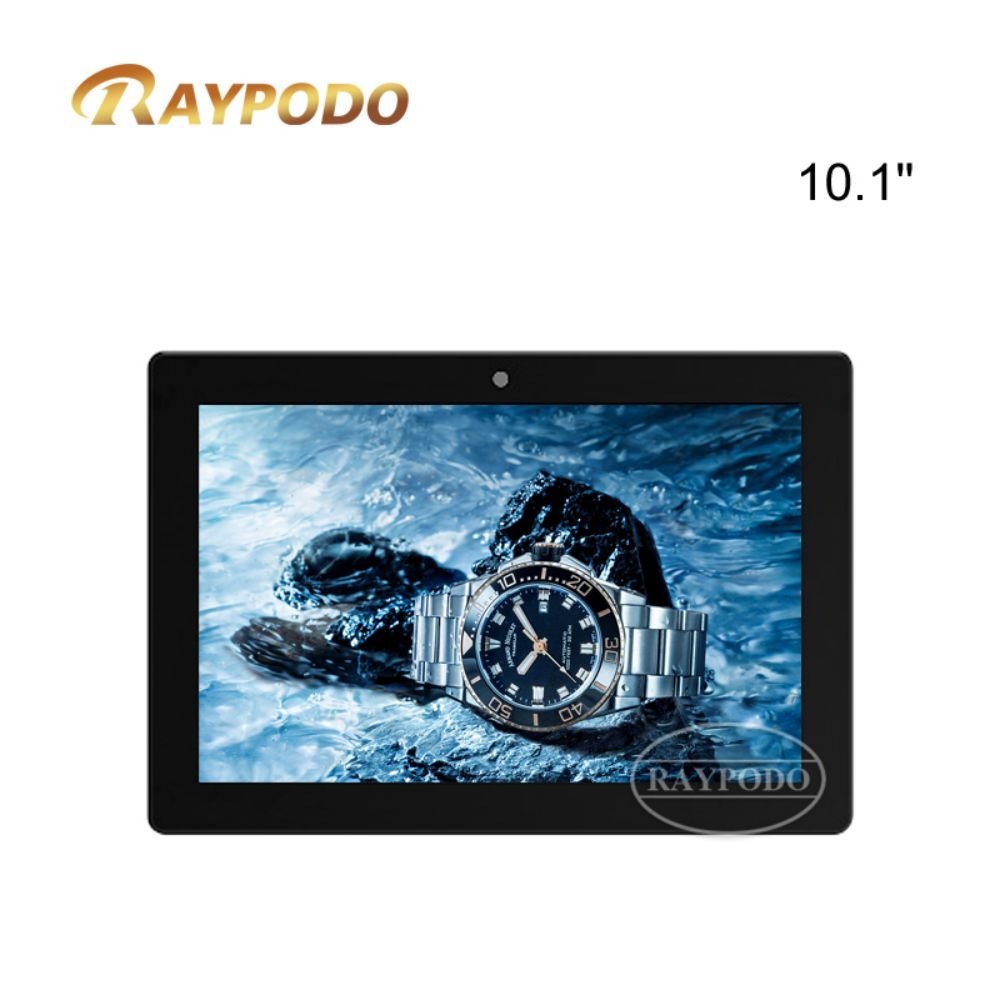
Flush Mount Tablet
- Introduction
Commercial installations, ranging from retail stores and office buildings to industrial facilities, increasingly rely on tablets for various functions such as customer interaction, process monitoring, and access control. The choice between flush mount and surface mount tablets has become a critical decision in these installations, as it affects not only the visual harmony of the space but also the long-term usability and maintenance of the devices.
Flush mount tablets are designed to be embedded into walls, kiosks, or custom fixtures, creating a seamless integration with the surrounding environment. This installation method eliminates protrusions, making them ideal for spaces where a clean, uncluttered look is prioritized. Surface mount tablets, by contrast, are mounted directly on the surface of walls or stands, requiring minimal modification to the installation site and offering greater flexibility in positioning.
Many businesses face challenges in selecting the right installation type. For example, a high-traffic retail store may need the space-saving and tamper-resistant features of flush mount tablets, while a temporary pop-up shop might benefit from the easy installation and reusability of surface mount tablets. Understanding the characteristics and applicable scenarios of flush mount and surface mount tablets is essential for ensuring that the installation meets both functional and aesthetic requirements.
This article aims to systematically compare flush mount and surface mount tablets in commercial installations. It starts by highlighting the importance of installation type selection in commercial settings, then explores technical details, analyzes commercial implications, presents typical use cases, concludes with selection criteria, and introduces related tablet products.
This guide is indispensable for anyone involved in planning or executing commercial tablet installations, ensuring that the chosen solution enhances operational efficiency, improves user experience, and aligns with business objectives.
- Technical Explanation
To make an informed choice between flush mount and surface mount tablets for commercial installations, it is necessary to understand their technical characteristics, including design features, installation requirements, hardware compatibility, and environmental adaptability. These technical factors directly determine the suitability of each installation type for different commercial scenarios.
2.1 Technical Characteristics of Flush Mount Tablets
Flush mount tablets feature a slim, low-profile design optimized for embedded installation. Their casing is typically streamlined to fit into pre-cut wall openings or custom fixtures, with the front panel aligning flush with the surrounding surface. This design not only enhances aesthetic appeal but also reduces the risk of damage or tampering, as there are no protruding edges for users to bump into or manipulate.
Installation of flush mount tablets requires precise preparation, including measuring and cutting wall openings to match the tablet’s dimensions. Most flush mount tablets come with mounting brackets or kits that ensure secure fixation, preventing wobbling or displacement. Some models also feature waterproof and dustproof enclosures, with IP ratings (such as IP65) that make them suitable for harsh commercial environments like factories or outdoor kiosks.
Hardware compatibility for flush mount tablets focuses on integration with built-in systems. They often support rear-mounted connectivity options, such as hidden HDMI, USB, and Ethernet ports, to maintain the seamless appearance. Many flush mount tablets are equipped with industrial-grade components, including reinforced screens and durable casings, to withstand continuous use in high-traffic commercial settings.
Environmental adaptability is a key technical advantage of flush mount tablets. Their embedded design protects internal components from dust, moisture, and physical impact, extending their lifespan in challenging environments. Additionally, some models offer temperature resistance, operating reliably in a wide range of temperatures (from -10°C to 50°C), making them suitable for cold storage facilities or hot industrial floors.
2.2 Technical Characteristics of Surface Mount Tablets
Surface mount tablets have a more versatile design, with a robust casing that supports direct mounting on various surfaces. They are typically equipped with adjustable mounting brackets, stands, or adhesive pads, allowing installation on walls, desks, or any flat surface without the need for cutting or modifying the installation site.
The installation process for surface mount tablets is simple and efficient. Most models can be set up in minutes using basic tools, making them ideal for temporary installations or locations where permanent modifications are not feasible. The adjustable brackets enable flexible positioning, such as tilting or rotating the tablet to optimize viewing angles for users.
Hardware compatibility for surface mount tablets emphasizes versatility. They come with multiple external connectivity ports, including front or side-mounted USB, HDMI, and Ethernet ports, facilitating easy connection to peripheral devices like barcode scanners, printers, or external displays. Many surface mount tablets support wireless connectivity options such as Wi-Fi 6 and Bluetooth 5.2, enabling seamless integration with mobile devices and cloud-based systems.
Environmental adaptability for surface mount tablets varies by model. While some basic models are designed for indoor use in controlled environments, industrial-grade surface mount tablets offer IP ratings for dust and water resistance. These rugged models feature reinforced glass screens and shock-absorbent casings, making them suitable for commercial settings with high levels of activity or potential impact.
2.3 Key Technical Comparison Criteria
When comparing flush mount and surface mount tablets for commercial installations, several key technical criteria should be evaluated. Installation complexity is a primary factor—flush mount tablets require more extensive preparation and professional installation, while surface mount tablets offer plug-and-play convenience.
Space utilization is another critical consideration. Flush mount tablets save space by integrating into existing structures, making them ideal for small or crowded commercial areas. Surface mount tablets, while requiring additional surface space, offer greater flexibility in placement and can be easily repositioned if needed.
Tamper resistance and durability are essential for commercial environments. Flush mount tablets, with their embedded design, are more resistant to tampering and physical damage, making them suitable for high-traffic or public areas. Surface mount tablets, especially rugged models, can also offer strong durability but may be more vulnerable to displacement or vandalism compared to flush mount options.
Hardware expansion capability should also be considered. Surface mount tablets typically offer easier access to ports and peripherals, making them better for applications that require frequent connection or replacement of external devices. Flush mount tablets, with their hidden ports, are more suitable for fixed applications where hardware configuration remains stable.
Environmental adaptability, including temperature range and IP rating, determines the suitability of each type for specific commercial settings. Both flush mount and surface mount tablets are available in industrial-grade models, but flush mount tablets often have an edge in harsh environments due to their sealed, embedded design.
- Commercial Impact
The choice between flush mount and surface mount tablets in commercial installations has significant commercial implications, affecting installation costs, maintenance expenses, operational efficiency, and brand image. Understanding these impacts helps businesses make cost-effective decisions that support their long-term goals.
3.1 Cost Impact
Flush mount tablets generally involve higher upfront costs compared to surface mount options. This is due to the need for custom installation work, such as wall cutting, fixture modification, and professional labor. The tablets themselves may also be more expensive, as their embedded design often requires specialized components and manufacturing processes. A typical flush mount tablet for commercial use ranges from $600 to $1500, with installation costs adding an additional $200 to $500 per unit.
Surface mount tablets are more budget-friendly, with lower upfront costs for both the devices and installation. Commercial-grade surface mount tablets typically range from $300 to $1000, and installation costs are minimal—often $50 to $150 per unit—due to the simple mounting process. This makes surface mount tablets an attractive option for businesses with limited budgets or temporary installation needs.
Long-term cost considerations also differ between the two types. Flush mount tablets have lower maintenance costs due to their durable, tamper-resistant design, which reduces the risk of damage or theft. They also have a longer lifespan (5-7 years) in commercial environments, reducing replacement frequency. Surface mount tablets, while cheaper upfront, may require more frequent maintenance or replacement if used in high-traffic areas, leading to higher long-term costs.
3.2 Operational Efficiency Impact
Flush mount tablets enhance operational efficiency in commercial settings where space and aesthetics are critical. Their seamless integration with the environment reduces clutter, improving workflow in areas like retail checkout zones or industrial control rooms. The tamper-resistant design minimizes downtime caused by accidental damage or intentional vandalism, ensuring continuous operation of critical systems.
For example, in a busy retail store, flush mount tablets installed at checkout counters save counter space, allowing staff to handle more transactions efficiently. The embedded design also prevents customers from knocking over the devices, reducing service interruptions. In industrial facilities, flush mount tablets used for process monitoring are protected from dust and debris, ensuring reliable data collection and system control.
Surface mount tablets boost operational efficiency through their flexibility and easy installation. They can be quickly deployed in new locations or repositioned as business needs change, making them ideal for dynamic commercial environments like pop-up stores or event venues. The easy access to ports and peripherals also simplifies the connection of external devices, such as barcode scanners or receipt printers, streamlining daily operations.
In a temporary exhibition hall, for instance, surface mount tablets can be rapidly installed on display stands to provide visitors with interactive information. If the layout of the exhibition changes, the tablets can be easily moved to new positions without additional installation work. This flexibility helps businesses adapt to changing operational needs quickly and cost-effectively.
3.3 Brand Image and Customer Experience Impact
Flush mount tablets contribute positively to brand image by creating a sleek, professional appearance in commercial spaces. Their seamless integration with walls or fixtures conveys a sense of quality and attention to detail, enhancing the overall customer experience. This is particularly important for high-end retail stores, luxury hotels, and corporate offices where aesthetics play a key role in brand perception.
For example, a luxury boutique using flush mount tablets for product information displays creates a sophisticated shopping environment. The tablets blend seamlessly with the store’s interior design, avoiding visual distractions and allowing customers to focus on the products. This enhances the premium brand image and improves customer satisfaction.
Surface mount tablets, while less visually integrated, can still enhance customer experience through their accessibility and flexibility. They can be positioned at convenient heights and angles for user interaction, making them ideal for self-service applications like kiosks or information terminals. In environments where functionality is prioritized over aesthetics, surface mount tablets provide a practical solution that meets customer needs.
In a fast-food restaurant, surface mount tablets installed at self-order stations allow customers to place orders quickly and easily. The flexible mounting ensures that the tablets are accessible to customers of all heights, improving the overall dining experience. The simple, functional design aligns with the fast-paced nature of the restaurant, enhancing operational efficiency and customer satisfaction.
- Typical Use Cases
The selection between flush mount and surface mount tablets in commercial installations depends heavily on the specific application scenario, space constraints, and business objectives. The following typical use cases illustrate how to match the installation type to the commercial need, ensuring optimal performance and user experience.
4.1 Flush Mount Tablets in High-End Retail Store Product Displays
High-end retail stores require installations that balance functionality with aesthetic appeal, making flush mount tablets an ideal choice for product information displays. These tablets are embedded into custom display fixtures or walls, creating a seamless look that complements the store’s premium interior design.
Flush mount tablets in this scenario provide customers with detailed product information, including materials, sizes, and styling suggestions. The embedded design prevents damage from customer handling and maintains the clean, uncluttered appearance of the display area. The tamper-resistant feature ensures that the devices remain secure, even in high-traffic areas.
For example, a luxury fashion boutique installs flush mount tablets into clothing racks, allowing customers to scan QR codes on garments to view additional sizes and colors. The tablets blend seamlessly with the racks, avoiding visual distractions and enhancing the boutique’s sophisticated atmosphere. The industrial-grade design of the flush mount tablets ensures reliable operation even with continuous use throughout the day.
4.2 Surface Mount Tablets in Pop-Up Retail Events
Pop-up retail events are temporary, dynamic environments that require flexible, easy-to-install technology solutions. Surface mount tablets are perfectly suited for these events, as they can be quickly mounted on temporary stands or walls without permanent modifications.
Surface mount tablets in pop-up events serve multiple functions, including point-of-sale (POS) systems, customer registration, and product showcase. Their easy installation allows the pop-up store to be set up in hours, and their reusability means they can be transferred to other events. The flexible positioning ensures that the tablets are accessible to customers and staff in the limited space of the pop-up venue.
For instance, a seasonal pop-up holiday store uses surface mount tablets as mobile POS systems, mounted on adjustable stands that can be moved to different checkout locations based on customer flow. The tablets connect wirelessly to receipt printers and inventory management systems, enabling efficient transaction processing. After the event, the tablets are easily removed and stored for future use, reducing equipment costs.
4.3 Flush Mount Tablets in Industrial Facility Process Monitoring
Industrial facilities, such as manufacturing plants and warehouses, require durable, reliable installations that can withstand harsh environments. Flush mount tablets are ideal for process monitoring in these settings, as their embedded design protects them from dust, debris, and physical impact.
Flush mount tablets in industrial facilities display real-time production data, equipment status, and safety alerts. The sealed, IP-rated enclosures prevent dust and moisture from entering the devices, ensuring continuous operation in challenging conditions. The embedded design also keeps the tablets out of the way of moving machinery and personnel, reducing the risk of accidents.
For example, a manufacturing plant installs flush mount tablets on the walls of production lines, displaying real-time data on machine performance and output. The tablets are embedded into protective casings that withstand high temperatures and vibration, ensuring reliable data transmission. Staff can monitor the production process from a distance, reducing the need for close contact with machinery and improving workplace safety.
4.4 Surface Mount Tablets in Office Building Access Control
Office buildings require flexible, easy-to-maintain access control systems to manage employee and visitor entry. Surface mount tablets are well-suited for this application, as they can be quickly installed at entry points without modifying the building’s structure.
Surface mount tablets in access control systems feature biometric scanners or RFID readers, allowing employees to clock in/out or gain entry with a fingerprint or access card. The adjustable mounting brackets enable the tablets to be positioned at a convenient height for users, and the easy access to ports simplifies the connection of additional security devices like cameras or alarms.
For example, a mid-sized office building installs surface mount tablets at all main entrances, integrated with the building’s security system. Employees scan their fingerprints on the tablets to gain entry, while visitors use the tablets to register and request access. The surface mount design allows the tablets to be easily moved if the building’s layout changes, and the simple installation reduces downtime during system upgrades.
4.5 Flush Mount Tablets in Luxury Hotel Lobby Kiosks
Luxury hotels prioritize aesthetic appeal and guest experience, making flush mount tablets an excellent choice for lobby kiosks. These tablets are embedded into custom kiosk enclosures, creating a seamless, high-end look that aligns with the hotel’s luxury brand image.
Flush mount tablets in hotel lobbies provide guests with self-service options such as check-in, room key issuance, and concierge services. The embedded design reduces clutter in the lobby, maintaining a sophisticated atmosphere. The tamper-resistant and durable design ensures that the devices remain in good condition even with heavy guest use.
For example, a five-star hotel installs flush mount tablets in its lobby kiosks, allowing guests to complete the check-in process independently. The tablets are integrated with the hotel’s property management system, enabling guests to select their rooms, print receipts, and receive digital room keys. The seamless design of the kiosks enhances the hotel’s premium image, while the self-service functionality reduces wait times and improves guest satisfaction.
4.6 Surface Mount Tablets in Restaurant Self-Order Stations
Restaurants, especially fast-food and casual dining establishments, benefit from the flexibility and functionality of surface mount tablets in self-order stations. These tablets are mounted on adjustable stands at each table or at dedicated self-order kiosks, allowing customers to place orders quickly and easily.
Surface mount tablets in restaurants display menus, allow customers to customize orders, and process payments. The easy installation means the tablets can be added or moved as the restaurant’s seating layout changes. The rugged design withstands spills and frequent use, ensuring reliable operation in the busy restaurant environment.
For example, a fast-food chain installs surface mount tablets at self-order kiosks near the entrance, allowing customers to place orders without waiting in line. The tablets are mounted on sturdy stands that can be adjusted for height, making them accessible to children and adults. The wireless connection to the kitchen’s order management system ensures that orders are transmitted quickly, reducing preparation time and improving table turnover.
- Conclusion
Selecting between flush mount and surface mount tablets for commercial installations requires a comprehensive assessment of technical characteristics, commercial factors, and specific application scenarios. Each installation type offers unique advantages that cater to distinct business needs, and there is no one-size-fits-all solution.
Flush mount tablets are ideal for commercial environments that prioritize aesthetic appeal, space utilization, and durability. Their embedded design creates a seamless integration with the surrounding space, making them suitable for high-end retail stores, luxury hotels, and industrial facilities. They offer strong tamper resistance and environmental adaptability, ensuring reliable operation in challenging conditions. While they involve higher upfront installation costs, their long lifespan and low maintenance requirements make them cost-effective in the long run.
Surface mount tablets are a practical choice for commercial settings that demand flexibility, easy installation, and cost-efficiency. Their simple mounting process and reusability make them ideal for temporary installations like pop-up events, as well as dynamic environments like restaurants and office buildings. They offer easy access to peripherals and flexible positioning, enhancing operational efficiency. While they may be more vulnerable to damage than flush mount options, rugged models are available to meet the needs of high-traffic areas.


Leave a Reply
You must be logged in to post a comment.