

Effective Heat Management: Critical for Reliable 24/7 Wall Mounted Android Tablets
Heat management is a pivotal factor influencing the performance and longevity of 24/7 wall mounted Android tablets. As these devices operate continuously in commercial and industrial environments, they generate consistent heat that, if not properly dissipated, can lead to hardware degradation, performance throttling, and premature failure. This article explores the importance of heat management for 24/7 wall mounted Android tablets, delves into the technical mechanisms of effective heat dissipation, analyzes the commercial impact of robust heat management solutions, showcases typical use cases where heat control is essential, and concludes with insights into best practices for optimizing heat management in such devices.
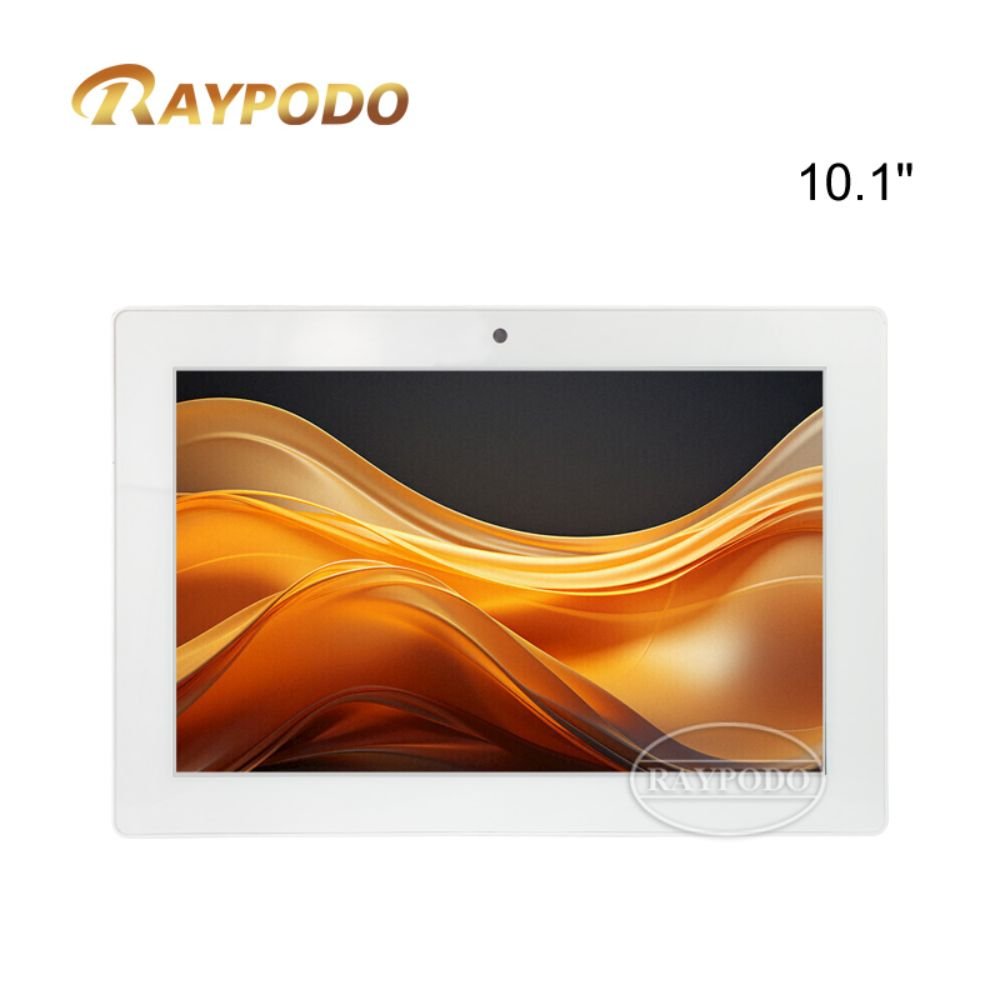
Heat Management
Introduction
24/7 wall mounted Android tablets have become indispensable in various commercial and industrial settings, serving as control interfaces, data displays, and communication hubs. Unlike consumer-grade tablets that operate intermittently, these devices are designed to run continuously, often in harsh environments with fluctuating temperatures, limited ventilation, and minimal human intervention. Continuous operation leads to sustained heat generation from internal components such as the CPU, GPU, and power management modules.
Heat management, the process of dissipating this excess heat to maintain safe operating temperatures, is therefore critical for ensuring the reliability, stability, and long-term performance of 24/7 wall mounted Android tablets. Poor heat management can result in a range of issues, from reduced processing speed and screen dimming to irreversible hardware damage and system crashes. This article provides a comprehensive overview of heat management for 24/7 wall mounted Android tablets, covering the technical principles, commercial implications, real-world applications, and key strategies for effective heat control.
Technical Explanation
To understand effective heat management for 24/7 wall mounted Android tablets, it is essential to first grasp the sources of heat generation and the technical mechanisms employed to dissipate this heat. The primary heat sources in these devices are the central processing unit (CPU) and graphics processing unit (GPU), which generate heat as they execute computational tasks. Additional heat is produced by the power management integrated circuit (PMIC), which regulates the flow of power to various components, and the backlight of the display, especially in high-brightness settings. In wall mounted configurations, the device is often enclosed or mounted flush against surfaces, limiting natural air circulation and increasing the risk of heat buildup.
The core technical approach to heat management involves a combination of passive and active cooling mechanisms, tailored to the constraints of wall mounted Android tablets. Passive cooling, the most common and reliable method for 24/7 devices, relies on heat conduction, convection, and radiation to dissipate heat without moving parts. Key passive cooling components include heat sinks, thermal pads, and metal enclosures.
Heat sinks, typically made of high-thermal-conductivity materials such as aluminum or copper, are attached to heat-generating components like the CPU and GPU. They absorb heat and spread it across a larger surface area, facilitating convection—the transfer of heat to the surrounding air. Thermal pads or thermal paste fill the gap between the component and the heat sink, improving heat conduction by eliminating air pockets that act as thermal insulators. Metal enclosures, often used in industrial-grade wall mounted tablets, further enhance heat dissipation by conducting heat away from internal components and radiating it to the environment.
In scenarios where passive cooling is insufficient, such as high-performance 24/7 wall mounted Android tablets or harsh environments with high ambient temperatures, active cooling mechanisms may be employed. Active cooling uses moving parts to enhance heat dissipation, with small fans being the most common solution. These fans circulate air through the device, increasing convection and removing heat more rapidly than passive methods alone. However, active cooling introduces additional considerations, such as power consumption, noise, and the risk of fan failure—critical factors for 24/7 operations.
To mitigate these risks, some high-end wall mounted tablets use brushless fans with long lifespans and temperature-controlled operation, which activate only when the device reaches a certain temperature threshold, reducing wear and power usage. Another advanced active cooling technique is liquid cooling, though it is less common in wall mounted tablets due to its complexity, size, and cost constraints.
Thermal design optimization is another key technical aspect of heat management for 24/7 wall mounted Android tablets. This involves the careful layout of internal components to minimize heat concentration and maximize airflow. For example, heat-generating components like the CPU and GPU are positioned away from heat-sensitive parts such as the battery (if present) and storage modules.
Additionally, the device’s internal structure may include air channels to guide airflow, ensuring that cool air reaches heat sources and warm air is expelled efficiently. Software-level thermal management also plays a role, with Android’s built-in thermal regulation systems monitoring temperature levels and adjusting performance (such as reducing CPU clock speed) to prevent overheating. Manufacturers may also customize the Android firmware to optimize thermal performance for specific 24/7 use cases, balancing performance and heat generation.
Commercial Impact
Robust heat management has significant commercial implications for businesses that deploy 24/7 wall mounted Android tablets, as well as for manufacturers of these devices. One of the most direct commercial benefits is improved device reliability, which reduces downtime and associated costs. In commercial settings such as retail stores, healthcare facilities, and smart buildings, 24/7 wall mounted Android tablets are often used for critical functions—from inventory management and patient monitoring to building security and access control.
Downtime due to overheating can disrupt operations, leading to lost revenue, reduced productivity, and compromised safety. Effective heat management ensures that these devices operate continuously without interruptions, enhancing operational efficiency and reducing the risk of financial losses.
Another key commercial impact is extended device lifespan, which lowers total cost of ownership (TCO) for businesses. Heat is one of the primary factors contributing to hardware degradation, with prolonged exposure to high temperatures shortening the lifespan of components such as the CPU, GPU, and display. By effectively managing heat, 24/7 wall mounted Android tablets can operate reliably for 5 to 7 years or more, compared to 2 to 3 years for devices with poor thermal management. This extended lifespan reduces the frequency of device replacement, lowering capital expenditure for businesses. Additionally, reduced hardware failure rates minimize maintenance costs, as technicians are less frequently required to repair or replace faulty devices.
For manufacturers, effective heat management is a key differentiator in the competitive 24/7 wall mounted Android tablet market. Businesses and system integrators prioritize devices that offer reliable 24/7 operation, and robust thermal design is a critical factor in their purchasing decisions. Manufacturers that invest in advanced heat management solutions—such as high-quality heat sinks, temperature-controlled fans, and optimized thermal layouts—can command premium prices for their products and gain a competitive edge.
Conversely, manufacturers that neglect heat management may face reputational damage and lost sales due to frequent device failures and negative customer feedback. Additionally, compliance with industry standards and regulations related to thermal performance and safety is essential for market access, further emphasizing the commercial importance of effective heat management.
Heat management also impacts the scalability and flexibility of 24/7 wall mounted Android tablet deployments. Devices with effective thermal design can operate reliably in a wide range of environmental conditions, from cold warehouses to hot manufacturing facilities. This versatility allows businesses to deploy the same tablets across multiple locations, simplifying procurement and management.
In contrast, devices with poor heat management are limited to controlled environments, restricting their applicability and increasing deployment complexity. Furthermore, effective heat management enables the use of higher-performance components in 24/7 wall mounted Android tablets, supporting more demanding applications such as real-time video analytics and multi-tasking. This flexibility allows businesses to adapt their tablet deployments to evolving operational needs, enhancing the long-term value of their investment.
Typical Use Cases
Effective heat management is essential across a wide range of use cases for 24/7 wall mounted Android tablets, where continuous operation and environmental resilience are critical. Below are some of the most common applications where thermal performance directly impacts operational success.
4.1 Industrial Control and Monitoring
In manufacturing plants, warehouses, and industrial facilities, 24/7 wall mounted Android tablets are used to monitor and control production processes, track inventory, and display real-time operational data. These environments are often characterized by high ambient temperatures, dust, and limited ventilation—conditions that exacerbate heat buildup. Effective heat management is therefore critical to ensure the tablets operate reliably in these harsh settings.
For example, a wall mounted Android tablet used to monitor assembly line machinery must maintain stable performance despite the heat generated by nearby equipment. Passive cooling solutions such as aluminum enclosures and heat sinks are commonly used in these applications, as they are dust-resistant and require minimal maintenance. In some cases, active cooling with temperature-controlled fans is employed to handle extreme heat loads, ensuring the tablet remains operational even in temperatures exceeding 40°C.
4.2 Healthcare Facility Patient Monitoring and Control
Hospitals and clinics rely on 24/7 wall mounted Android tablets for patient monitoring, medical equipment control, and staff communication. These devices operate continuously in patient rooms, nurse stations, and operating theaters, where temperature stability is critical for both device performance and patient comfort. Poor heat management can lead to device failure, disrupting patient monitoring and potentially compromising care.
Additionally, healthcare environments require devices that are easy to clean and sanitize, which influences thermal design—for example, sealed metal enclosures that facilitate heat dissipation while preventing the accumulation of dust and pathogens. Effective heat management ensures that these tablets operate reliably around the clock, supporting the delivery of high-quality healthcare services.
4.3 Smart Building Energy Management
24/7 wall mounted Android tablets are widely used as control interfaces for smart building energy management systems, regulating HVAC, lighting, and power consumption. These tablets are often installed in utility rooms, basements, and other areas with limited ventilation and fluctuating temperatures. Effective heat management is essential to ensure they maintain accurate readings and responsive control, which directly impacts energy efficiency and building comfort.
For example, a tablet used to control a building’s HVAC system must operate reliably in the warm environment of a utility room, where passive cooling with heat sinks and thermal pads is typically sufficient. The stable performance enabled by effective heat management ensures that the energy management system operates optimally, reducing energy costs and minimizing the building’s carbon footprint.
4.4 Retail Store Digital Signage and POS Integration
Retail stores use 24/7 wall mounted Android tablets as digital signage displays, price checkers, and POS system extensions. These devices operate continuously in store environments that may experience varying temperatures, from cool refrigerated sections to warm checkout areas. Effective heat management is critical to ensure the tablets maintain bright, clear displays and responsive performance throughout the day. For digital signage applications, the tablet’s display backlight is a significant heat source, making thermal design optimization essential. Passive cooling solutions are often preferred in retail settings due to their quiet operation and low maintenance requirements. Effective heat management ensures that the tablets remain operational even during peak store hours, supporting sales and customer service.
Conclusion
Effective heat management is a critical component of reliable 24/7 operation for wall mounted Android tablets, directly impacting performance, lifespan, and commercial value. The technical combination of passive and active cooling mechanisms, paired with optimized thermal design and software regulation, ensures that these devices can dissipate excess heat and maintain safe operating temperatures even in harsh environments. From a commercial perspective, robust heat management reduces downtime, extends device lifespan, lowers TCO, and enhances the scalability of deployments—benefits that are invaluable for businesses across industries.
In conclusion, heat management is not merely a technical consideration but a strategic one that directly impacts the success of 24/7 wall mounted Android tablet deployments. By implementing effective thermal management solutions, businesses can ensure the reliability and longevity of their devices, optimize operational efficiency, and maximize the return on their investment. As technology advances, we can expect to see further innovations in heat management for wall mounted Android tablets, enabling even more robust performance in the most challenging environments.


Leave a Reply
You must be logged in to post a comment.