

Is rooting necessary for commercial PoE wall mount tablets to run custom industrial control software?
Industrial software rooting requirement has become a core concern in the application of commercial PoE wall mount tablets. As commercial PoE wall mount tablets are widely used in industrial control scenarios, running custom industrial control software is often required to meet specific business needs. Industrial software rooting requirement directly determines whether enterprises can deploy custom software smoothly while ensuring system security, which has aroused widespread discussion among enterprises and technical personnel. Clarifying this issue is crucial to ensuring the stable operation of industrial control systems, safeguarding device security and reducing application costs.
In practical industrial applications, the necessity of rooting is affected by multiple factors such as the functional requirements of custom industrial control software, the security mechanism of the tablet system and the after-sales service of manufacturers. This article focuses on the question of whether commercial PoE wall mount tablets need to be rooted to run custom industrial control software. Starting from the application background and current situation, it analyzes the technical principles related to industrial software rooting requirement, discusses the commercial impact of rooting or not rooting, lists typical application scenarios, and finally draws relevant conclusions and practical suggestions.
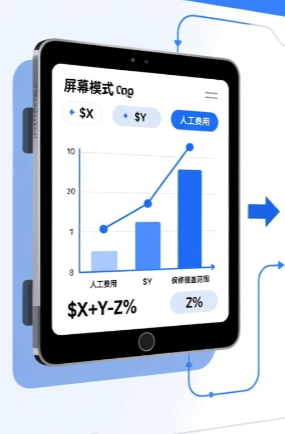
Industrial software rooting requirement, Industrial software compatibility, Commercial device root security
1. Introduction
1.1 Application Background of Commercial PoE Wall Mount Tablets in Industrial Control Scenarios
With the continuous advancement of industrial automation, commercial PoE wall mount tablets have been widely used in various industrial control scenarios, such as factory production line monitoring, intelligent warehouse management and equipment operation and maintenance. These tablets integrate PoE power supply technology, which enables simultaneous transmission of power and data through network cables, simplifying the wiring layout and reducing the difficulty of on-site installation. Their stable performance and reliable operation have made them an important part of industrial control systems.
In these application scenarios, enterprises often need to install and run custom industrial control software on commercial PoE wall mount tablets. This software is developed according to specific industrial processes and business requirements, which can realize functions such as real-time data collection, equipment status monitoring and remote control. However, the installation and operation of custom software often involve the system authority of the tablet, thus triggering the question of whether industrial software rooting requirement is a must for functional implementation.
1.2 Current Situation and Controversy of Industrial Software Rooting Requirement
At present, there are significant differences in the understanding of industrial software rooting requirement in the industry. Some technical personnel believe that rooting is necessary to obtain the highest authority of the tablet system, so as to ensure that custom industrial control software can run smoothly, especially for software that needs to call underlying system resources or modify system configurations.
On the other hand, many enterprises and manufacturers hold a negative attitude towards rooting. They believe that rooting will break the original security mechanism of the tablet system, increase the risk of virus intrusion and system crash, and may also lead to the loss of after-sales service rights. This controversy makes enterprises face difficulties in making decisions when applying commercial PoE wall mount tablets to run custom industrial control software. Therefore, in-depth exploration of industrial software rooting requirement is of great practical significance.
1.3 Significance of Studying the Necessity of Rooting for Running Custom Industrial Control Software
Studying whether commercial PoE wall mount tablets need to be rooted to run custom industrial control software is of great significance for enterprises, technical personnel and manufacturers. For enterprises, it can help them make scientific decisions, avoid potential risks caused by improper rooting, and ensure the stable and safe operation of industrial control systems.
For technical personnel, it provides a clear technical direction for the development and deployment of custom industrial control software, helping them optimize the software design and reduce the difficulty of system adaptation. For manufacturers, understanding the actual needs of users for rooting can help them improve the system design of commercial PoE wall mount tablets, balance system security and application flexibility, and enhance the market competitiveness of products.
1.4 Research Purpose and Content Framework of This Article
The purpose of this article is to clarify whether commercial PoE wall mount tablets need to be rooted to run custom industrial control software, analyze the influencing factors of rooting necessity, and provide practical guidance for relevant enterprises and technical personnel.
The content framework of this article is as follows: first, it introduces the application background of commercial PoE wall mount tablets in industrial control scenarios and the current situation of industrial software rooting requirement controversy; then, it explains the technical principles related to rooting and industrial software operation; next, it discusses the commercial impact of rooting or not; then, it lists typical application scenarios involving the use of custom industrial control software on commercial PoE wall mount tablets; finally, it draws conclusions and puts forward targeted suggestions.
2. Technical Explanation
2.1 Technical Principles of Rooting and Its Impact on Tablet Systems
Rooting, in the context of Android systems commonly used by commercial PoE wall mount tablets, refers to obtaining the superuser authority of the system, that is, the root authority. By default, the tablet system restricts the authority of third-party software to ensure system stability and security. After rooting, users or software can obtain the highest control authority of the system, which can modify system files, call underlying hardware resources and manage system processes without restrictions.
However, rooting will have a series of impacts on the tablet system. On the one hand, it breaks the original security mechanism of the system, making the tablet more vulnerable to malicious attacks such as viruses and Trojans. Malicious software with root authority can steal sensitive data, tamper with system configurations and even paralyze the entire system. On the other hand, rooting may cause incompatibility between the system and some official applications, and may also affect the normal operation of system updates. In addition, most manufacturers will terminate after-sales service for rooted tablets, which increases the maintenance difficulty and cost once the equipment fails. These impacts are key considerations when evaluating industrial software rooting requirement.
2.2 Relationship Between Industrial Software Rooting Requirement and Custom Industrial Control Software Functions
Industrial software rooting requirement is closely related to the functional requirements of custom industrial control software. Not all custom industrial control software requires rooting to run. For software with simple functions, such as basic data display and simple operation control, which only needs to call the public API provided by the system, it can usually run normally without rooting.
However, for some custom industrial control software with complex functions, industrial software rooting requirement may arise. For example, software that needs to collect real-time data from the tablet’s underlying hardware (such as sensors, serial ports) and software that needs to modify system-level parameters to ensure real-time performance of the software may require root authority to complete related operations. In addition, software that needs to run in the background for a long time and not be restricted by the system’s power management mechanism may also need to rely on root authority.
2.3 Analysis of Industrial Software Compatibility Without Rooting
Industrial software compatibility is an important factor to consider when running custom industrial control software on commercial PoE wall mount tablets without rooting. At present, most mainstream commercial PoE wall mount tablet manufacturers will open part of the system authority and provide a standardized development interface for industrial control scenarios. Developers can develop custom software that meets the authority requirements based on these open interfaces, ensuring industrial software compatibility without rooting.
To ensure industrial software compatibility without rooting, developers need to fully understand the system authority restrictions of the target tablet, select appropriate development frameworks and APIs, and conduct sufficient compatibility tests during the software development process. Manufacturers can also provide technical support for developers, such as issuing development guidelines and providing debugging tools, to help developers solve compatibility problems encountered in the development process.
2.4 Security Risks of Rooting and Protection Measures for Commercial Device Root Security
Commercial device root security is a key issue that cannot be ignored when considering rooting. As mentioned earlier, rooting will bring significant security risks to commercial PoE wall mount tablets. These risks include system vulnerabilities being exploited, sensitive industrial data being leaked, and equipment being controlled by malicious parties. For industrial control systems with high security requirements, these risks may lead to serious production accidents and economic losses.
If rooting is indeed necessary due to business needs, corresponding protection measures must be taken to ensure commercial device root security. First, it is necessary to select reliable rooting tools and strictly follow the standard rooting process to avoid system damage or security vulnerabilities caused by improper rooting. Second, after rooting, a professional security software should be installed to strengthen the system’s anti-virus and anti-intrusion capabilities. Third, it is necessary to regularly update the system and security patches to fix newly discovered vulnerabilities. In addition, access control should be strengthened for root authority, and only authorized software and personnel should be allowed to use root authority.
2.5 Technical Alternatives to Rooting for Running Custom Industrial Control Software
In view of the security risks brought by rooting, there are many technical alternatives available in the industry to meet the needs of running custom industrial control software without rooting. One of the common methods is to use the system’s built-in enterprise-level application management functions. Many commercial PoE wall mount tablets provide enterprise mode, which can grant higher authority to specific applications through official authorization without rooting.
Another alternative is to carry out secondary development of the system based on the cooperation with manufacturers. Enterprises can reach a cooperation agreement with tablet manufacturers to modify the system configuration or open specific authority for the enterprise’s custom industrial control software on the premise of ensuring system security. In addition, using virtualization technology to run custom software in a virtual environment can also isolate the software from the host system, reducing the impact on the host system without requiring rooting. These alternatives can effectively address industrial software rooting requirement while avoiding security risks.
3. Commercial Impact
3.1 Impact on the Stability and Operation Cost of Industrial Control Systems
The decision of whether to root commercial PoE wall mount tablets has a significant impact on the stability and operation cost of industrial control systems. If rooting is carried out blindly without sufficient technical support, it may lead to frequent system failures, affect the normal progress of production, and increase the maintenance cost of the system. For example, system crashes caused by rooting may result in the interruption of production line monitoring, leading to production delays and economic losses.
On the other hand, if rooting is indeed necessary but not performed, the custom industrial control software may not be able to run normally or cannot realize all functional requirements, which will also affect the efficiency of industrial control. In addition, the cost of adopting technical alternatives to rooting, such as cooperating with manufacturers for secondary development, may be higher in the short term, but it can ensure the stability of the system and reduce long-term operation and maintenance costs. Therefore, enterprises need to comprehensively weigh the pros and cons and make decisions according to their own actual situations, taking industrial software rooting requirement into full account.
3.2 Impact on the Market Competitiveness of Commercial PoE Wall Mount Tablet Manufacturers
Industrial software rooting requirement and the support for custom industrial control software have a significant impact on the market competitiveness of commercial PoE wall mount tablet manufacturers. In the current market environment where industrial control scenarios have increasingly diverse requirements for custom software, manufacturers that can provide flexible system authority management solutions and ensure commercial device root security are more likely to be favored by enterprises.
Manufacturers that can open appropriate system interfaces without affecting system security, provide technical support for custom software development, and offer reliable after-sales service can gain more market share. On the contrary, manufacturers that adopt a rigid attitude towards system authority and cannot meet the custom needs of enterprises will gradually lose their competitive advantage. Therefore, paying attention to industrial software rooting requirement and optimizing product design accordingly is an important way for manufacturers to enhance their market competitiveness.
3.3 Impact on the Development of the Industrial Control Software Industry
The discussion on industrial software rooting requirement also has a certain impact on the development of the industrial control software industry. If most commercial PoE wall mount tablets require rooting to run custom industrial control software, it will increase the development difficulty and security risks of industrial control software, which is not conducive to the healthy development of the industry. On the contrary, if manufacturers can provide more flexible authority solutions, it will lower the threshold for the development of custom industrial control software and promote the innovation and upgrading of the industry.
In addition, the emphasis on industrial software compatibility will also promote the standardization of the industrial control software industry. The formulation of unified development standards and interface specifications will help improve the reusability and compatibility of software, reduce the development cost of enterprises, and promote the integrated development of the industrial control software industry and the commercial PoE wall mount tablet industry.
3.4 Impact on Enterprise Purchase Decisions of Commercial PoE Wall Mount Tablets
Industrial software rooting requirement is an important factor affecting enterprises’ purchase decisions of commercial PoE wall mount tablets. When purchasing tablets, enterprises will not only consider factors such as performance, price and PoE power supply stability but also focus on whether the tablet’s system authority can meet the needs of running custom industrial control software, and whether rooting is required and the corresponding security risks.
Enterprises are more inclined to choose tablets that can run custom software without rooting or have reliable rooting security protection measures. Manufacturers’ publicity and explanation on system authority management and support for custom software can help enterprises make purchase decisions. Therefore, industrial software rooting requirement has become an important part of the product competitiveness of commercial PoE wall mount tablets. At the same time, industrial software compatibility and commercial device root security are also key indicators that enterprises will check when purchasing.
4. Typical Use Cases
4.1 Factory Production Line Monitoring Tablet Application Scenario
In factory production line monitoring scenarios, commercial PoE wall mount tablets are used to install custom monitoring software to realize real-time collection and display of production line data, such as equipment operation parameters and product quality indicators. In this scenario, if the monitoring software only needs to call the public API of the tablet to collect data from external sensors through the network, it can run normally without rooting. However, if the software needs to directly read the data of the tablet’s built-in hardware modules, it may be necessary to consider rooting or adopting enterprise-level authorization solutions provided by manufacturers, which is a typical reflection of industrial software rooting requirement.
4.2 Intelligent Warehouse Management Tablet Application Scenario
In intelligent warehouse management scenarios, commercial PoE wall mount tablets run custom warehouse management software to realize functions such as goods in-out registration, inventory counting and location tracking. The software usually needs to interact with barcode scanners, RFID readers and other peripheral devices. If the tablet manufacturer has opened the corresponding peripheral access interface, the software can realize normal communication with the peripherals without rooting, which reflects the importance of industrial software compatibility. If the interface is not open, enterprises may need to negotiate with manufacturers for secondary development or use other technical alternatives instead of rooting.
4.3 Industrial Equipment Operation and Maintenance Tablet Application Scenario
In industrial equipment operation and maintenance scenarios, commercial PoE wall mount tablets are used to run custom operation and maintenance software to realize remote diagnosis and maintenance of equipment. The software needs to establish a secure connection with the equipment and send control commands. To ensure the security and real-time performance of the connection, manufacturers usually provide special communication interfaces and authority management mechanisms. Enterprises can develop software based on these official interfaces to avoid the need for rooting and ensure the security of the operation and maintenance process, which is an effective way to guarantee commercial device root security.
4.4 Smart Factory Energy Management Tablet Application Scenario
In smart factory energy management scenarios, commercial PoE wall mount tablets run custom energy management software to collect and analyze energy consumption data of various equipment in the factory, and realize energy-saving control. The software needs to run in the background for a long time and collect data at regular intervals. Through the enterprise mode provided by the tablet, the software can obtain the authority to run in the background for a long time without rooting, ensuring the continuous and stable collection of energy data. This scenario fully demonstrates that reasonable technical solutions can effectively meet the functional needs of software without relying on rooting, thus reducing the demand for industrial software rooting requirement.
5. Conclusion
5.1 Conclusion on the Necessity of Rooting for Commercial PoE Wall Mount Tablets to Run Custom Industrial Control Software
Through the above analysis, it can be concluded that industrial software rooting requirement is not universal. Whether commercial PoE wall mount tablets need to be rooted to run custom industrial control software depends on the functional requirements of the software and the system authority management mechanism of the tablet. For most custom industrial control software with basic functions, it can run normally without rooting by using the public interfaces and enterprise-level authorization solutions provided by manufacturers.
Only for a small number of software that needs to call the underlying system resources or modify system-level parameters, industrial software rooting requirement may arise. However, considering the significant security risks brought by rooting to commercial device root security and the impact on after-sales service, enterprises should try to avoid rooting. If rooting is indeed necessary, they must take strict security protection measures to minimize risks. Meanwhile, industrial software compatibility is also a key factor that cannot be ignored in the whole process of software deployment.
5.2 Suggestions for Enterprises Using Commercial PoE Wall Mount Tablets
Enterprises should fully assess industrial software rooting requirement before selecting and using commercial PoE wall mount tablets to run custom industrial control software. First, they should clarify the functional requirements of the custom software and communicate with the tablet manufacturer to understand the system authority that the tablet can provide and whether it can meet the software operation needs without rooting.
Second, enterprises should give priority to adopting technical alternatives to rooting, such as using enterprise mode, cooperating with manufacturers for secondary development or using virtualization technology. These methods can ensure the stable operation of the software while avoiding the security risks of rooting. If rooting is unavoidable, enterprises should establish a complete security management system, select reliable rooting tools, install professional security software and regularly conduct system security inspections to ensure commercial device root security.
In addition, enterprises should strengthen the training of technical personnel to improve their understanding of the tablet system and the ability to solve problems related to industrial software compatibility and system security. At the same time, they should establish a good cooperative relationship with tablet manufacturers to obtain timely technical support and after-sales service.
5.3 Suggestions for Commercial PoE Wall Mount Tablet Manufacturers
Manufacturers should pay full attention to industrial software rooting requirement and optimize the system design of commercial PoE wall mount tablets. First, they should open more flexible system authority management functions, provide enterprise-level application authorization solutions, and meet the needs of enterprises to run custom industrial control software without rooting. At the same time, they should formulate clear development guidelines and provide rich API interfaces to facilitate developers to carry out software development, thus improving industrial software compatibility.
Second, manufacturers should strengthen the research and development of system security technologies to ensure commercial device root security. For enterprises that have to root due to special needs, they can provide official rooting tools and security guidance to reduce the security risks caused by informal rooting. In addition, manufacturers should improve after-sales service policies, and provide appropriate technical support for rooted tablets under certain conditions to enhance user satisfaction.
Furthermore, manufacturers should strengthen communication and cooperation with the industrial control software industry, understand the latest needs of the industry for tablet systems, and jointly promote the formulation of industry standards for custom software development. This will help improve the compatibility between commercial PoE wall mount tablets and industrial control software, and promote the healthy development of the entire industrial chain.
5.4 Future Development Prospect of System Authority Management for Commercial PoE Wall Mount Tablets
In the future, with the continuous development of industrial automation and the increasing diversification of custom industrial control software requirements, the system authority management of commercial PoE wall mount tablets will tend to be more flexible and secure. Manufacturers will continue to optimize system design, open more targeted authority interfaces, and realize refined authority management to meet the needs of different industrial control scenarios. This will further reduce the demand for industrial software rooting requirement.
At the same time, with the application of new technologies such as artificial intelligence and blockchain in system security, the security protection capabilities of commercial PoE wall mount tablets will be further enhanced. Even if rooting is required, the security risks can be effectively controlled through technologies such as intelligent threat detection and encrypted authorization, thus improving commercial device root security. In addition, the integration of industrial control software and tablet systems will be closer, and more integrated solutions that do not require rooting will emerge, providing more convenient and secure choices for enterprises. These solutions will also focus on improving industrial software compatibility to meet the diverse needs of different industries.
Excellent Industrial Software Rooting Requirement Guide 10


Leave a Reply
You must be logged in to post a comment.