

What processor specifications are required for wall mount tablets running multi-tasking industrial control software?

multi-tasking industrial control software
- Introduction
With the acceleration of industrial automation, multi-tasking industrial control software has become an core part of intelligent production. Wall mount tablets, as the main human-computer interaction terminal for such software, need to process multiple data streams and control commands simultaneously. Whether it is real-time monitoring of production lines, data exchange with multiple sensors, or simultaneous operation of multiple control modules, these tasks put high demands on the processor of the wall mount tablet.
In industrial scenarios, any delay or failure of the wall mount tablet may lead to production interruptions, resulting in economic losses. Therefore, the processor of the wall mount tablet must have sufficient performance and stability to support the smooth operation of multi-tasking industrial control software. At the same time, considering the long-term continuous operation characteristics of industrial equipment, the processor also needs to have excellent power consumption control capabilities.
This article will first analyze the functional characteristics of multi-tasking industrial control software and the corresponding requirements for wall mount tablet processors; then elaborate on the key processor specifications from the aspects of computing performance, multi-tasking scheduling, graphics processing, interface support and power consumption control; further discuss the commercial impact of selecting processors that meet the specifications on manufacturers and users; verify the practical value of the proposed processor specifications through typical application cases; finally summarize the core processor specification requirements and their development trends.
Understanding the processor specification requirements for wall mount tablets running multi-tasking industrial control software is of great significance for improving the reliability of industrial control systems, optimizing production efficiency and reducing operation costs. It also helps manufacturers to develop products that are more in line with industrial needs and enhance market competitiveness.
- Technical Explanation of Processor Specifications for Wall Mount Tablets
2.1 Functional Characteristics of Multi-Tasking Industrial Control Software
Multi-tasking industrial control software usually needs to complete multiple tasks at the same time, such as real-time collection of sensor data, analysis and processing of production parameters, display of equipment operation status, and issuance of control commands. These tasks have the characteristics of real-time, parallelism and high reliability, which require the processor to have strong data processing capabilities and fast response speeds.
In addition, multi-tasking industrial control software often needs to interact with a variety of peripheral equipment, such as programmable logic controllers, sensors and actuators. This requires the processor of the wall mount tablet to have rich interface resources to ensure smooth data transmission between the tablet and peripheral equipment. At the same time, the software usually has complex graphical interfaces to display production data and equipment status, which puts certain requirements on the graphics processing capability of the processor.
2.2 Key Processor Specification Requirements
In terms of computing performance, the processor of the wall mount tablet needs to have a high main frequency and multi-core architecture. A high main frequency can ensure the fast processing of a single task, while a multi-core architecture can support parallel processing of multiple tasks, avoiding task blocking caused by single-core bottlenecks. Generally speaking, a processor with at least a quad-core architecture and a main frequency of 2.0GHz or higher can meet the basic computing needs of multi-tasking industrial control software.
Multi-tasking scheduling capability is another key specification requirement. The processor needs to be equipped with an advanced memory management unit and a high-performance cache system. The memory management unit can effectively manage the memory resources occupied by multiple tasks, preventing mutual interference between tasks. The high-performance cache system can speed up the access speed of the processor to data and instructions, reducing the waiting time for data transmission and improving the efficiency of multi-tasking operation.
In terms of graphics processing, the processor needs to be equipped with a dedicated graphics processing unit with strong 2D and 3D graphics processing capabilities. The graphical interface of multi-tasking industrial control software usually contains a large number of real-time data charts, equipment simulation diagrams and other elements. The high-performance graphics processing unit can ensure the smooth display and real-time update of these elements on the LCD IPS panel of the wall mount tablet, providing clear and intuitive visual feedback for operators.
Interface support capability is also indispensable. The processor should integrate multiple types of industrial-grade interfaces, such as Ethernet, USB 3.0, RS-485 and GPIO. These interfaces can realize the connection between the wall mount tablet and various industrial peripheral equipment, ensuring the stability and real-time performance of data transmission. In addition, the processor should support multiple communication protocols to adapt to different industrial control system environments.
Power consumption control is an important specification requirement for processors used in wall mount tablets running multi-tasking industrial control software. These tablets usually need to run continuously for a long time in industrial environments. A processor with excellent power consumption control capabilities can reduce energy consumption while ensuring stable operation, reducing the user’s later operation costs. At the same time, low power consumption can also reduce the heat generation of the processor, which is conducive to the stable operation of the wall mount tablet in high-temperature industrial environments.
2.3 Compatibility and Stability Specifications
The processor must have good compatibility with industrial control operating systems, such as Windows IoT and Linux. Stable driver support is the basis for the smooth operation of multi-tasking industrial control software. Manufacturers should provide complete driver packages to ensure that all functions of the processor can be fully utilized.
Stability is a crucial specification requirement for processors in industrial environments. The processor should pass strict industrial-grade reliability tests, with a wide operating temperature range and strong anti-electromagnetic interference capabilities. This can ensure that the wall mount tablet can maintain stable operation of the processor even in harsh industrial environments such as high temperature, low temperature and strong electromagnetic interference, avoiding system crashes and data loss caused by processor failures.
- Commercial Impact of Processor Specification Selection
3.1 Impact on Product Cost and Market Competitiveness
Selecting processors that meet the specification requirements will directly affect the cost of wall mount tablets. Processors with high performance and rich functions usually have higher hardware costs, which will increase the overall production cost of the wall mount tablet. For manufacturers, it is necessary to balance the relationship between processor performance and product cost according to the target market and user needs.
For high-end industrial control markets that pursue high performance and stability, wall mount tablets equipped with high-specification processors have stronger market competitiveness. They can meet the complex multi-tasking requirements of high-end industrial control software and win the trust of users. For the mid-to-low-end market, manufacturers can select processors with appropriate specifications on the premise of meeting basic functional requirements to control product costs and gain price advantages.
3.2 Impact on User Operation Efficiency and Cost
Wall mount tablets equipped with processors that meet the specification requirements can significantly improve the user’s operation efficiency. The smooth operation of multi-tasking industrial control software allows operators to complete multiple monitoring and control tasks at the same time, reducing the operation time and improving the production efficiency. At the same time, the stable operation of the processor reduces the frequency of equipment failures, reducing the user’s maintenance costs and the economic losses caused by production interruptions.
In addition, processors with excellent power consumption control capabilities can reduce the energy consumption of wall mount tablets, which is particularly important for users who need to run equipment continuously for a long time. Lower energy consumption can reduce the user’s long-term operation costs and improve the economic benefits of the enterprise.
3.3 Impact on Manufacturer’s R&D and After-Sales Service
Selecting processors with mature specifications and stable supply chains can reduce the R&D difficulty and cycle of manufacturers. Mature processors have complete technical documentation and development tools, which can speed up the software and hardware debugging process of wall mount tablets. At the same time, stable supply chains can ensure the continuous production of products, avoiding production interruptions caused by processor shortages.
In terms of after-sales service, processors with low failure rates can reduce the after-sales maintenance workload of manufacturers. If the processor has a wide market application, there will be more professional maintenance personnel familiar with it, which can speed up the problem-solving efficiency and improve user satisfaction.
- Typical Use Cases
4.1 Automobile Parts Production Line Monitoring Tablet
A large automobile parts manufacturer needs to deploy wall mount tablets on its production lines to run multi-tasking industrial control software. The software needs to simultaneously complete real-time monitoring of 12 production equipment, collection and analysis of 20 types of production process parameters, and display of production progress data. The manufacturer requires the wall mount tablet to have no obvious lag when running the software, and to support 24-hour continuous operation.
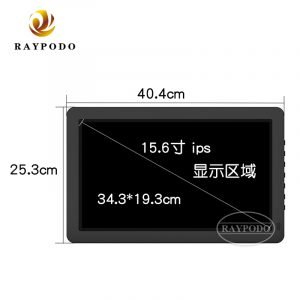
After in-depth research, the manufacturer selected a wall mount tablet equipped with a hex-core processor with a main frequency of 2.4GHz. The processor is equipped with a high-performance memory management unit and a 4MB L3 cache, which can effectively support multi-tasking parallel processing. Its integrated high-performance graphics processing unit can ensure the smooth display of real-time production data charts on the 15.6-inch LCD IPS panel of the tablet.
Since the deployment, the wall mount tablet has been running stably. The multi-tasking industrial control software can simultaneously process equipment monitoring and data collection tasks without any lag. The clear display effect of the LCD IPS panel allows operators to quickly grasp the production status. The processor’s low power consumption design ensures that the tablet can operate continuously for 24 hours with stable performance, and the failure rate of the equipment is less than 1% within one year. This has greatly improved the production monitoring efficiency of the manufacturer and reduced the occurrence of production accidents.
The success of this project has prompted the manufacturer to promote the use of this wall mount tablet to 8 of its other production lines, further expanding the application scope of the product.
4.2 Smart Factory Equipment Scheduling Tablet
A smart factory focusing on electronic product assembly needs wall mount tablets to run multi-tasking industrial control software for equipment scheduling. The software needs to complete real-time communication with more than 30 pieces of production equipment, task assignment and scheduling, and real-time update of production task progress. The factory requires the tablet to have fast response speed and high data transmission stability.
The selected wall mount tablet is equipped with an octa-core processor with a main frequency of 2.2GHz. The processor integrates multiple industrial-grade interfaces, including 2 Ethernet ports and 4 USB 3.0 ports, which can realize stable communication with multiple production equipment at the same time. Its advanced multi-tasking scheduling algorithm can reasonably allocate system resources, ensuring the smooth operation of each scheduling task.
In actual use, the wall mount tablet can quickly respond to equipment scheduling commands, and the task assignment and progress update are completed in real time. The processor’s strong data processing capability ensures the accuracy and timeliness of data transmission between the tablet and the equipment. The 12-inch LCD IPS panel of the tablet provides a wide viewing angle, allowing multiple managers to view scheduling information at the same time. The tablet has been running continuously for 18 months with stable performance, which has effectively improved the equipment utilization rate and production efficiency of the smart factory.
4.3 Chemical Production Process Control Tablet
A chemical plant needs to use wall mount tablets to run multi-tasking industrial control software for real-time control of the chemical production process. The software needs to simultaneously monitor temperature, pressure, flow and other parameters of multiple reaction kettles, and issue control commands according to the parameter changes. The chemical plant has high requirements on the stability and anti-interference ability of the tablet due to the harsh production environment with high temperature and strong electromagnetic interference.
The wall mount tablet selected by the chemical plant is equipped with an industrial-grade quad-core processor with a main frequency of 2.0GHz. The processor has passed strict anti-electromagnetic interference tests and can work stably in a high-temperature environment of -40°C to 85°C. Its integrated RS-485 interface can realize reliable data transmission with the on-site sensors and actuators.
During the operation period, the wall mount tablet has maintained stable performance in the harsh chemical production environment. The multi-tasking industrial control software can accurately monitor and control multiple reaction kettles at the same time, and the data transmission is stable without loss. The LCD IPS panel of the tablet can clearly display the real-time parameters of the reaction kettles, providing reliable basis for operators to adjust the production process. The low failure rate of the processor has reduced the maintenance cost of the chemical plant and ensured the safe and stable operation of the production process.
- Conclusion
The processor specifications required for wall mount tablets running multi-tasking industrial control software are comprehensively determined by the functional characteristics of the software and the requirements of industrial application scenarios. High computing performance, strong multi-tasking scheduling capability, excellent graphics processing capability, rich interface support, good power consumption control and high stability are the core specification requirements.
From the technical perspective, the processor must have a multi-core high-frequency architecture, advanced memory management and cache system, dedicated high-performance graphics processing unit, and rich industrial-grade interfaces. At the same time, it must have good compatibility with industrial control operating systems and strong environmental adaptability to ensure stable operation in harsh industrial environments. The matching between the processor and the LCD IPS panel of the wall mount tablet is also an important part of ensuring the display effect of the industrial control software.
From the commercial perspective, the selection of processor specifications needs to balance product cost and market demand. High-specification processors can bring better performance and stability, enhancing product market competitiveness, but will increase production costs. On the contrary, appropriately reducing specifications on the premise of meeting basic needs can control costs and gain price advantages. For users, selecting wall mount tablets equipped with processors that meet the specifications can improve operation efficiency, reduce maintenance costs and ensure production stability.
Looking forward to the future, with the continuous development of industrial automation and intelligence, multi-tasking industrial control software will become more complex, and the requirements for processor specifications of wall mount tablets will be further improved. Processors with higher performance, lower power consumption and stronger integration will become the main development trend. At the same time, the application of artificial intelligence and edge computing technologies in industrial control will also put new requirements on the processor’s computing architecture and functional expansion capabilities.
For manufacturers, they should keep abreast of the development trend of processor technology and accurately grasp the needs of industrial users to develop wall mount tablets with more suitable processor configurations. For users, they should comprehensively consider the functional requirements of multi-tasking industrial control software and the characteristics of application scenarios when selecting wall mount tablets, and choose products with processors that meet the corresponding specifications. In conclusion, selecting the right processor specifications is the key to ensuring the reliable and efficient operation of wall mount tablets running multi-tasking industrial control software.


Leave a Reply
You must be logged in to post a comment.