

Why is the 13.3-inch screen a popular choice for medium-sized meeting room scheduling panels?
Medium-sized meeting rooms, typically accommodating 8 to 20 participants, have unique spatial constraints and usage patterns that demand a scheduling panel screen size that neither overwhelms the environment nor compromises usability. The 13.3-inch screen strikes an optimal balance between being large enough to display comprehensive scheduling information and compact enough to integrate seamlessly into various wall spaces within the meeting room.
Additionally, when paired with an LCD IPS panel, the 13.3-inch screen delivers excellent visual performance, ensuring that meeting details are clearly visible to users from different angles, which is essential for efficient meeting management.
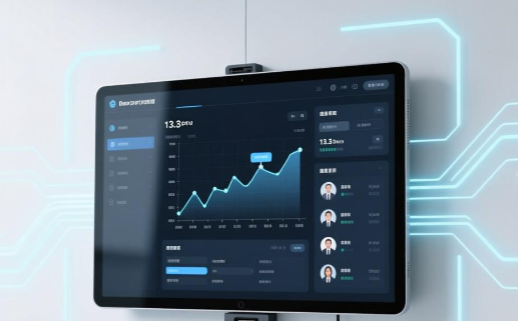
13.3-inch screen, medium-sized meeting room scheduling panels,
This article will explore the core reasons behind the widespread adoption of 13.3-inch screens for scheduling panels in medium-sized meeting rooms. It will first provide an overview of the role of scheduling panels in modern meeting room management and the specific requirements of medium-sized meeting environments. Then, it will conduct a technical analysis of how the 13.3-inch screen size matches the functional needs of scheduling panels, including visual performance, human-computer interaction and integration capabilities.
Further, it will discuss the commercial impacts of choosing 13.3-inch screen scheduling panels, such as cost-effectiveness, user satisfaction and operational efficiency. Practical value will be verified through typical application cases in different industries. Finally, a summary will be given on the applicability of 13.3-inch screens in medium-sized meeting room scheduling scenarios and their development prospects.
Understanding why the 13.3-inch screen has become a popular choice for medium-sized meeting room scheduling panels is crucial for enterprises to make informed decisions when selecting meeting room management equipment. It also provides valuable insights for manufacturers to develop products that better cater to the needs of modern office environments, enhancing the overall efficiency of meeting room utilization and optimizing the workplace experience.
- Introduction
1.1 The Role of Scheduling Panels in Modern Meeting Room Management
In today’s fast-paced office environment, efficient meeting room management is vital for improving work efficiency and promoting smooth communication within enterprises. Scheduling panels, often implemented as wall mount tablets, have become indispensable tools in this process. They replace traditional paper-based scheduling methods, providing real-time updates on meeting room availability, allowing instant bookings and displaying detailed meeting information such as participants, agenda and duration.
These panels serve as a visual interface between users and the meeting room booking system, simplifying the booking process and reducing conflicts arising from double bookings. They also help facility management teams monitor meeting room usage patterns, enabling data-driven decisions to optimize room allocation and resource utilization. The effectiveness of a scheduling panel largely depends on its screen size, as it directly affects the readability of information, user interaction experience and integration with the meeting room environment.
1.2 Characteristics of Medium-Sized Meeting Rooms and Scheduling Requirements
Medium-sized meeting rooms are a common type of office space, designed to host small to medium-sized team meetings, client discussions, training sessions and project reviews. Unlike small meeting rooms that prioritize compactness or large conference halls that require large-format displays, medium-sized meeting rooms need a scheduling solution that balances functionality and space harmony.
The key requirements for scheduling panels in these environments include clear visibility from a moderate distance (typically 1 to 3 meters), the ability to display sufficient information without clutter, easy operation for quick bookings and seamless integration with the room’s interior design. Additionally, the scheduling panel should not occupy excessive wall space, as medium-sized meeting rooms often have limited wall areas available for equipment installation. These characteristics and requirements collectively contribute to the preference for 13.3-inch screens in such scenarios.
- Technical Analysis of 13.3-Inch Screens for Medium-Sized Meeting Room Scheduling Panels
2.1 Matching of Screen Size with Medium-Sized Meeting Room Spatial Characteristics
Medium-sized meeting rooms usually have dimensions ranging from 15 to 30 square meters, with wall spaces near the entrance or by the side of the room being the primary locations for scheduling panels. The 13.3-inch screen size is ideally suited to these spatial constraints. It is compact enough to fit into narrow wall spaces between door frames, windows or storage cabinets, without appearing obtrusive or taking up excessive space.
Compared to larger screen sizes (such as 15.6 inches or 18.5 inches), the 13.3-inch screen does not dominate the visual landscape of the meeting room, allowing it to blend naturally with the surrounding environment. On the other hand, it is significantly larger than smaller screens (such as 10.1 inches), which may be too small to display scheduling information clearly from a distance of 2 to 3 meters, a common viewing distance for users approaching the scheduling panel at the meeting room entrance.
2.2 Visual Performance Advantages of 13.3-Inch LCD IPS Panels
The 13.3-inch screen, when equipped with an LCD IPS panel, offers excellent visual performance that meets the demands of meeting room scheduling. LCD IPS panels are known for their wide viewing angles, which is critical in medium-sized meeting rooms where users may approach the scheduling panel from different directions—such as from the entrance, the side or while walking past the room.
With a 13.3-inch LCD IPS panel, the viewing angle can reach up to 178 degrees horizontally and vertically, ensuring that meeting information remains clear and color-accurate regardless of the user’s position. This eliminates the need for users to stand directly in front of the panel to read the content, improving convenience. Additionally, LCD IPS panels provide high brightness and contrast ratios, ensuring that the screen content is easily visible even in well-lit meeting rooms with natural light or artificial lighting.
The resolution of 13.3-inch screens, typically 1920×1080 pixels, is sufficient to display detailed scheduling information, including meeting titles, time slots, participant names and room availability indicators. This high resolution, combined with the appropriate screen size, ensures that text and icons are sharp and legible without appearing pixelated, even when viewed from a moderate distance.
2.3 Human-Computer Interaction Experience with 13.3-Inch Screens
The 13.3-inch screen size offers an optimal human-computer interaction experience for meeting room scheduling panels. The screen is large enough to accommodate a user-friendly interface with clearly defined touch areas for common operations, such as “Book Now,” “View Details” and “Cancel Booking.” This reduces the likelihood of user errors during quick bookings, especially when employees are in a hurry to start or join meetings.
Unlike smaller screens where touch targets may be too cramped, the 13.3-inch screen allows for adequate spacing between interface elements, making it easier for users to operate with fingers without accidental touches. At the same time, it is not so large that users need to stretch excessively to reach all areas of the screen, ensuring comfortable operation for people of different heights.
The responsive touch performance of 13.3-inch screens, when paired with the right touch technology, further enhances the interaction experience. Users can quickly navigate through scheduling menus, select time slots and confirm bookings with minimal delay, which is essential for maintaining the flow of work in a busy office environment.
2.4 Integration Capabilities with Meeting Room Ecosystem
13.3-inch screen wall mount tablets designed as scheduling panels offer strong integration capabilities with the broader meeting room ecosystem. Their compact size allows for easy integration with other meeting room equipment, such as audio-visual systems, lighting controls and room occupancy sensors.
The hardware design of 13.3-inch scheduling panels often includes multiple interfaces that enable seamless connection to meeting room booking systems and enterprise networks. This integration allows for real-time synchronization of meeting data, ensuring that the information displayed on the panel is always up-to-date. For example, when a meeting is booked through the enterprise’s calendar application, the details are instantly reflected on the 13.3-inch scheduling panel, eliminating discrepancies between different platforms.
Additionally, the moderate size of the 13.3-inch screen makes it feasible to integrate additional functional modules, such as near-field communication readers for employee check-in, without making the device overly bulky. This enhances the versatility of the scheduling panel, allowing it to serve multiple purposes in the meeting room.
- Commercial Impact of Choosing 13.3-Inch Screens for Scheduling Panels
3.1 Cost-Effectiveness and Total Ownership Cost
The 13.3-inch screen size offers significant cost advantages compared to larger screen sizes, making it an economically viable choice for enterprises deploying scheduling panels across multiple medium-sized meeting rooms. 13.3-inch LCD IPS panels and corresponding wall mount tablets are typically more affordable than their larger counterparts, reducing the initial investment cost for equipment procurement.
Beyond the initial purchase price, the 13.3-inch screens also contribute to lower total ownership costs. Their smaller size results in lower power consumption compared to larger screens, reducing energy expenses over the device’s lifespan. Additionally, the compact design of 13.3-inch scheduling panels makes them easier to install and maintain, lowering installation labor costs and reducing the time and resources required for routine maintenance and repairs.
For enterprises with multiple medium-sized meeting rooms, the cost savings from choosing 13.3-inch screens can be substantial, allowing them to allocate resources to other areas of office improvement. At the same time, the 13.3-inch screens do not compromise on performance, ensuring that enterprises receive good value for their investment.
3.2 Impact on User Satisfaction and Work Efficiency
The optimal size and visual performance of 13.3-inch scheduling panels directly contribute to higher user satisfaction. Employees find it easy to read and operate the panels, reducing frustration associated with unclear information or cumbersome booking processes. This positive experience encourages consistent use of the scheduling system, leading to more organized meeting room management and fewer scheduling conflicts.
By facilitating quick and accurate booking processes, 13.3-inch scheduling panels help save employees’ time. Instead of spending minutes checking meeting room availability through a computer or mobile application, employees can quickly view the information on the panel outside the meeting room and complete bookings in seconds. This improves overall work efficiency, allowing employees to focus more on their core tasks.
Furthermore, the clear display of meeting information on the 13.3-inch screen helps participants quickly locate the correct meeting room and confirm meeting details, reducing delays and disruptions caused by confusion or misinformation. This contributes to a more professional and productive meeting environment.
3.3 Impact on Brand Image and Office Aesthetics
The appearance of office spaces, including meeting rooms, plays an important role in shaping an enterprise’s brand image, especially for client-facing meetings. 13.3-inch scheduling panels with sleek designs and appropriate screen sizes enhance the modern and professional look of medium-sized meeting rooms.
Unlike larger screens that may appear cumbersome or smaller screens that may seem insignificant, 13.3-inch screens integrate harmoniously into the meeting room’s interior design. They add a touch of digital sophistication without dominating the space, reflecting positively on the enterprise’s commitment to efficiency and modernization.
Consistent use of 13.3-inch scheduling panels across all medium-sized meeting rooms also creates a cohesive and unified office aesthetic. This consistency helps establish a professional brand identity and makes the office environment more visually appealing for both employees and visitors.
- Typical Use Cases
4.1 Multinational Corporation Office Building Meeting Room Scheduling
A multinational corporation with a large office building in a major city needed to upgrade the scheduling system for its 25 medium-sized meeting rooms, each accommodating 10 to 15 participants. The primary goals were to improve meeting room utilization, reduce scheduling conflicts and enhance the overall meeting experience for employees and clients.
After evaluating various screen sizes, the corporation selected 13.3-inch wall mount tablets with LCD IPS panels as the scheduling panels. The decision was based on the medium-sized meeting rooms’ spatial constraints—most had limited wall space near the entrance—and the need for clear visibility from the hallway outside the meeting room. The 13.3-inch screens were compact enough to fit into the available wall spaces without obstructing doorways or windows.
The LCD IPS panels of the 13.3-inch screens ensured that meeting information was clearly visible from the hallway, allowing employees to check room availability without entering the meeting room. The high resolution of the screens displayed detailed meeting agendas and participant lists, making it easy for attendees to confirm they were in the right place. The panels were integrated with the corporation’s existing calendar system, enabling real-time synchronization of booking data.
Six months after deployment, the corporation reported a 35% reduction in scheduling conflicts and a 28% increase in meeting room utilization. Employee surveys indicated high satisfaction with the new scheduling panels, citing their ease of use and clear display. Clients also commented positively on the professional appearance of the meeting rooms, noting that the 13.3-inch scheduling panels added a modern touch to the environment.
4.2 Technology Startup Co-Working Space Scheduling
A technology startup co-working space that offers flexible office solutions to small and medium-sized enterprises needed scheduling panels for its 18 medium-sized meeting rooms. The co-working space catered to a diverse group of users, including freelancers, small teams and visiting clients, so the scheduling system needed to be intuitive, reliable and visually appealing.
The co-working space management team chose 13.3-inch screen scheduling panels due to their cost-effectiveness and suitability for the medium-sized meeting rooms’ layout. Many of the meeting rooms had narrow entryways with limited wall space, making larger screens impractical. The 13.3-inch screens were easy to install and integrated seamlessly with the co-working space’s brand aesthetic, which emphasized modernity and simplicity.
The 13.3-inch LCD IPS screens provided excellent visibility, even in the well-lit co-working space with large windows. Users could quickly check room availability and book meetings directly on the panel using the user-friendly interface. The panels were also integrated with the co-working space’s booking platform, allowing users to reserve meeting rooms online and have the details instantly updated on the 13.3-inch screens.
The deployment of the 13.3-inch scheduling panels led to a significant improvement in user experience. User feedback highlighted the ease of checking room availability and the clear display of meeting information. The co-working space also reported an increase in meeting room bookings, as the intuitive scheduling system made it more convenient for users to reserve spaces. The cost savings from choosing 13.3-inch screens allowed the co-working space to invest in other amenities for its users.
4.3 Government Agency Office Meeting Room Management
A government agency needed to modernize the scheduling system for its 20 medium-sized meeting rooms, which were used for internal meetings, public consultations and inter-departmental collaborations. The agency required a scheduling solution that was reliable, easy to use for staff of all technical backgrounds and compliant with its strict security and accessibility standards.
After a thorough evaluation, the agency selected 13.3-inch wall mount tablets with LCD IPS panels as the scheduling panels. The 13.3-inch screen size was chosen for its compatibility with the agency’s meeting room layouts, which often had traditional wall designs with limited space for modern equipment. The compact size of the 13.3-inch screens allowed them to be installed without altering the existing room structures.
The LCD IPS panels’ wide viewing angles were particularly beneficial for the agency’s public consultation meetings, as members of the public could easily view meeting schedules and room availability from different positions in the hallway. The high contrast and brightness of the screens ensured that information was readable even in the agency’s well-lit corridors. The panels were integrated with the agency’s internal security system, requiring staff to authenticate themselves before booking or modifying meetings.
Since deployment, the agency has experienced a 40% reduction in time spent managing meeting room bookings by administrative staff. The clear and intuitive 13.3-inch scheduling panels have reduced the number of inquiries about room availability, allowing staff to focus on other important tasks. The reliable performance of the panels has also ensured that meeting schedules are always up-to-date, minimizing disruptions to important meetings and public consultations.
- Conclusion
The 13.3-inch screen has emerged as a popular choice for medium-sized meeting room scheduling panels due to its perfect alignment with the specific needs of these environments. Its balanced size, combined with the excellent visual performance of LCD IPS panels, addresses the core requirements of medium-sized meeting rooms, including space adaptability, visual clarity and user-friendly interaction.
From a technical perspective, the 13.3-inch screen size matches the spatial constraints of medium-sized meeting rooms, ensuring seamless integration without compromising on usability. The LCD IPS panel enhances the visual experience by providing wide viewing angles, high brightness and sharp resolution, making meeting information easily accessible from various positions. The size also facilitates intuitive human-computer interaction, with adequate touch targets and comfortable operation for all users.
Commercially, choosing 13.3-inch screens offers significant cost advantages, reducing both initial procurement and long-term ownership costs. This cost-effectiveness, combined with the improved user satisfaction and work efficiency they bring, makes them a practical choice for enterprises of all sizes. Additionally, their sleek design enhances office aesthetics and contributes to a professional brand image.
The typical use cases demonstrate that 13.3-inch screen scheduling panels deliver tangible benefits in diverse environments, from multinational corporations to co-working spaces and government agencies. They consistently improve meeting room management efficiency, reduce scheduling conflicts and enhance the overall meeting experience.
Looking to the future, as meeting room management systems become more intelligent and integrated with emerging technologies such as artificial intelligence and the Internet of Things, the 13.3-inch screen is likely to remain a popular choice for medium-sized meeting room scheduling panels. Its balanced characteristics make it adaptable to evolving functional requirements, while its cost-effectiveness ensures it remains an attractive option for enterprises seeking to optimize their meeting room management without excessive investment.
In conclusion, the 13.3-inch screen’s popularity for medium-sized meeting room scheduling panels is a result of its comprehensive advantages in size, visual performance, user interaction and cost-effectiveness. It effectively meets the unique needs of medium-sized meeting room environments, making it a reliable and efficient choice for modern office meeting room management.


Leave a Reply
You must be logged in to post a comment.