

How does processor power consumption affect the heat management of 24/7 running wall mount tablets?
Processor power consumption is a core factor affecting the heat management effect of 24/7 running wall mount tablets. Wall mount tablets operating continuously around the clock are widely used in industrial monitoring, intelligent transportation, and public service scenarios. The processor, as the core computing component of the device, generates a certain amount of heat during operation.
The level of processor power consumption directly determines the amount of heat generated. Excessive heat accumulation will not only affect the stable operation of the wall mount tablet but also shorten the service life of internal components. For 24/7 running devices, effective heat management is the key to ensuring long-term reliable operation, and clarifying the impact of processor power consumption on heat management is of great significance for optimizing device design and improving operation stability.
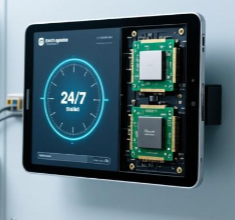
Processor power consumption, 247 tablet heat management, Continuous operation heat dissipation
This article will focus on processor power consumption, systematically analyze the mechanism of processor power consumption affecting the heat management of 24/7 running wall mount tablets, elaborate on the technical principles and key factors involved, explore the commercial impact of unreasonable heat management caused by excessive processor power consumption on enterprises, verify the practical connection between processor power consumption and heat management through typical application cases, and finally put forward targeted suggestions for enterprises and manufacturers.
The following discussion will first clarify the application background and the correlation between processor power consumption and heat management, then deeply analyze the impact mechanism and influencing factors, detail the technical means to balance processor power consumption and heat management, explore the commercial value of reasonable heat management, present real cases reflecting the practical impact, and finally synthesize key conclusions to provide guidance for relevant practitioners.
- Introduction: Correlation Between Processor Power Consumption and Heat Management of 24/7 Running Wall Mount Tablets
1.1 Application Status of 24/7 Running Wall Mount Tablets
With the acceleration of intelligent transformation, 24/7 running wall mount tablets have become an important part of many enterprise operation systems. In industrial production workshops, these devices are used to monitor production line data in real time and transmit operation instructions; in intelligent transportation systems, they are responsible for traffic signal control and vehicle flow statistics; in public service halls, they provide uninterrupted self-service services for citizens.
The long-term continuous operation mode puts high demands on the stability and heat dissipation capacity of the wall mount tablets. The LCD IPS panel and other components of the device also generate a small amount of heat during operation, but the processor is the main heat source. The heat generated by the processor accumulates inside the device for a long time, which may cause the device to overheat, leading to problems such as system crashes and component damage.
1.2 Basic Concepts of Processor Power Consumption and Heat Management
Processor power consumption refers to the amount of electrical energy consumed by the processor during operation, which is usually divided into dynamic power consumption and static power consumption. Dynamic power consumption is generated by the switching of internal transistors during the processor’s computing process, which is related to the operating frequency and voltage of the processor; static power consumption is the power consumption generated by the leakage current of transistors when the processor is in an idle state.
Heat management of wall mount tablets refers to the set of technical measures taken to control the temperature of the device within a reasonable range, including heat generation control, heat conduction, heat dissipation, and other links. The core goal of heat management is to quickly discharge the heat generated by components such as the processor to ensure that the device operates within the safe temperature range.
1.3 Importance of Clarifying the Impact of Processor Power Consumption on Heat Management
Clarifying the impact of processor power consumption on heat management is crucial for both enterprises and manufacturers. For enterprises, it helps to select wall mount tablets that are suitable for 24/7 operation scenarios, avoid equipment failures caused by poor heat management, and ensure the continuity of business operations.
For manufacturers, it provides a direction for optimizing the design of wall mount tablets. By understanding the impact mechanism of processor power consumption on heat management, manufacturers can adopt more targeted heat dissipation designs and select processors with appropriate power consumption levels to improve the stability and reliability of products. In addition, this research also helps to promote the technological progress of the entire wall mount tablet industry and improve the overall level of product performance.
- Technical Explanation: Impact Mechanism of Processor Power Consumption on Heat Management
2.1 Heat Generation Mechanism of Processor Power Consumption
The processor generates heat because part of the electrical energy consumed during operation is converted into thermal energy. The higher the processor power consumption, the more electrical energy is converted into thermal energy, and the greater the heat generation. For dynamic power consumption, as the operating frequency and voltage of the processor increase, the switching speed of internal transistors accelerates, and the heat generated per unit time increases significantly.
In 24/7 running wall mount tablets, the processor is in a working state for a long time, and the heat generated continuously accumulates inside the device. If the heat cannot be discharged in time, the temperature of the processor and surrounding components will rise rapidly. When the temperature exceeds the safe operating range of the components, it will affect the performance of the processor and even cause permanent damage to the components.
2.2 Impact of Processor Power Consumption on Heat Management Links
Processor power consumption affects multiple links of wall mount tablet heat management, including heat conduction, heat dissipation, and temperature control. In terms of heat conduction, the large amount of heat generated by high-power consumption processors requires the heat conduction structure of the device to have higher efficiency. If the heat conduction material or structure is not properly designed, the heat cannot be quickly transferred from the processor to the heat dissipation component, resulting in local overheating.
In terms of heat dissipation, high processor power consumption puts higher demands on the heat dissipation capacity of the device. The existing heat dissipation system of wall mount tablets (such as heat sinks, fans, etc.) is usually designed according to the power consumption level of the selected processor. If the processor power consumption exceeds the design standard, the heat dissipation system will be overloaded, and the heat dissipation effect will be greatly reduced.
In terms of temperature control, excessive processor power consumption will make the temperature control of the device more difficult. When the device temperature is too high, the system will usually take measures such as reducing the processor frequency to reduce heat generation, which will lead to a decrease in the computing performance of the wall mount tablet and affect the normal operation of business applications.
2.3 Key Factors Affecting the Correlation Between Processor Power Consumption and Heat Management
There are many key factors affecting the correlation between processor power consumption and heat management of wall mount tablets, mainly including processor model selection, device internal structure design, heat dissipation material performance, and operating environment temperature.
Different processor models have different power consumption levels and heat generation characteristics. Processors with advanced manufacturing processes usually have lower power consumption and better heat generation control under the same performance. The internal structure design of the device determines the heat conduction path. A reasonable structure can shorten the heat conduction distance and improve heat transfer efficiency.
The performance of heat dissipation materials directly affects the heat conduction and heat dissipation effect. High thermal conductivity materials (such as copper, aluminum alloy, etc.) can quickly transfer heat. The operating environment temperature of the wall mount tablet also has an important impact. If the device is used in a high-temperature environment for a long time, the heat dissipation effect of the system will be further weakened, and the impact of processor power consumption on heat management will be more obvious.
2.4 Technical Means to Balance Processor Power Consumption and Heat Management
To balance processor power consumption and heat management of 24/7 running wall mount tablets, a variety of technical means can be adopted. First, select a processor with appropriate power consumption. According to the actual business needs of the device, select a processor with matching performance and power consumption level to avoid excessive heat generation caused by selecting a high-power consumption processor blindly.
Second, optimize the internal structure design of the device. Adopt a reasonable heat conduction path design, install heat conduction gaskets between the processor and the heat sink, and ensure that the heat generated by the processor can be quickly transferred to the heat dissipation component. At the same time, reasonably arrange the positions of various components to avoid mutual interference of heat sources.
Third, improve the heat dissipation capacity of the device. Use high-performance heat dissipation materials to make heat sinks, and install fans with adjustable speed for forced heat dissipation. For some high-power consumption scenarios, liquid cooling heat dissipation technology can be adopted to further improve the heat dissipation effect. In addition, the system can be optimized to realize intelligent temperature control. When the device temperature is too high, the processor frequency is automatically adjusted to reduce power consumption and heat generation.
- Commercial Impact: Influence of Processor Power Consumption and Heat Management on Enterprises
3.1 Impact on Equipment Operation Stability and Business Continuity
Unreasonable matching between processor power consumption and heat management will seriously affect the operation stability of 24/7 running wall mount tablets, thereby affecting business continuity. If the processor power consumption is too high and the heat management is not in place, the device will often experience overheating shutdown, system crash, and other failures during operation.
For example, in an industrial monitoring scenario, if the wall mount tablet used for real-time data collection shuts down due to overheating, it will lead to the interruption of monitoring data collection, making the enterprise unable to grasp the production line operation status in time, and may even cause production safety hazards. This not only affects the normal progress of the business but also may bring economic losses to the enterprise.
3.2 Impact on Equipment Maintenance Cost and Service Life
Excessive processor power consumption will increase the load of the heat management system, accelerate the aging of components such as the processor, heat sink, and fan, and shorten the service life of the wall mount tablet. Enterprises need to replace equipment more frequently, which increases the procurement cost of equipment.
At the same time, frequent failures caused by poor heat management will also increase the maintenance cost of the enterprise. Technical personnel need to spend a lot of time and energy on troubleshooting and repairing equipment, which increases the labor cost of maintenance. In addition, the replacement of damaged components also requires additional expenses, further increasing the operating cost of the enterprise.
3.3 Impact on Enterprise Operation Efficiency and Competitiveness
The stable operation of 24/7 running wall mount tablets is an important guarantee for the efficient operation of enterprises. If the device fails frequently due to unreasonable processor power consumption and heat management, it will affect the work efficiency of employees and the service quality of the enterprise.
For example, in a public service hall, if the self-service wall mount tablet fails due to overheating, it will lead to the accumulation of citizens waiting for business handling, reduce service efficiency, and affect the enterprise’s public image. In the long run, this will also reduce the enterprise’s competitiveness in the market. On the contrary, reasonable control of processor power consumption and effective heat management can ensure the stable operation of equipment, improve operation efficiency, and enhance the enterprise’s market competitiveness.
3.4 Impact on Energy Conservation and Emission Reduction of Enterprises
Processor power consumption is directly related to the energy consumption of wall mount tablets. High processor power consumption not only generates more heat but also consumes more electrical energy. For enterprises that use a large number of 24/7 running wall mount tablets, the cumulative energy consumption is considerable.
Reasonable control of processor power consumption can reduce the energy consumption of equipment, help enterprises achieve the goal of energy conservation and emission reduction, and reduce energy costs. At the same time, this also conforms to the national policy of green development and helps enterprises establish a good social image. In addition, effective heat management can avoid energy waste caused by excessive heat generation, further improving the energy utilization efficiency of the device.
- Typical Use Cases: Practical Impact of Processor Power Consumption on Heat Management
4.1 Case of Overheating Failure of Industrial Monitoring Wall Mount Tablets Caused by High Processor Power Consumption
A manufacturing enterprise used a batch of 24/7 running wall mount tablets in its production workshop for real-time monitoring of production line equipment. Shortly after the equipment was put into use, the enterprise found that some wall mount tablets often shut down automatically. The technical personnel checked and found that the cause was device overheating.
After in-depth investigation, it was found that the enterprise had selected a high-performance processor with relatively high power consumption when purchasing the wall mount tablets, hoping to improve the data processing capacity of the device. However, the heat dissipation system of the selected wall mount tablets was designed for low-power consumption processors, which could not effectively discharge the heat generated by the high-power consumption processor.
In the 24/7 continuous operation process, the heat generated by the processor accumulated continuously, leading to the continuous rise of the device temperature, and finally triggering the overheating protection mechanism to shut down the device. To solve this problem, the enterprise replaced the high-power consumption processor with a low-power consumption processor with matching performance, and optimized the heat dissipation structure of the device by adding heat conduction gaskets. After the transformation, the overheating failure of the wall mount tablets was completely solved, and the stable operation of the equipment was ensured.
4.2 Case of Optimizing Heat Management by Reducing Processor Power Consumption in Intelligent Transportation Wall Mount Tablets
A traffic management department deployed a large number of 24/7 running wall mount tablets at road intersections for traffic signal control and vehicle flow statistics. The initial operation of the equipment was stable, but as the business functions increased, the processor load of the wall mount tablets increased, and the power consumption also increased accordingly, leading to the gradual rise of the device temperature.
The high temperature affected the normal operation of the LCD IPS panel, resulting in unclear display and affecting the observation of on-site personnel. The technical team of the department decided to optimize the heat management by reducing the processor power consumption. First, they sorted out the business functions of the wall mount tablets and turned off some unnecessary background processes to reduce the processor load.
Then, they updated the device system firmware to optimize the processor’s power management strategy, enabling the processor to automatically reduce the operating frequency when the load is low, thereby reducing power consumption and heat generation. At the same time, they cleaned the heat dissipation components of the equipment to improve the heat dissipation effect. After the optimization, the processor power consumption of the wall mount tablets was significantly reduced, the device temperature returned to the normal range, and the display effect of the LCD IPS panel was restored to normal.
4.3 Case of Improving Heat Dissipation Effect by Optimizing Processor Selection for Public Service Wall Mount Tablets
A public service institution purchased a batch of 24/7 running wall mount tablets for self-service business handling in public service halls. During the trial operation, it was found that the temperature of the wall mount tablets was relatively high, and the system operation was slightly lagging. The institution invited professional technical personnel to conduct an evaluation.
The technical personnel found that the processor power consumption of the wall mount tablets was within a reasonable range, but the heat dissipation structure design was unreasonable, resulting in poor heat conduction efficiency. The technical personnel suggested that the institution replace the processor with a new generation of low-power consumption processor with the same performance, and optimize the internal heat conduction structure of the device.
The institution adopted this suggestion. After the replacement and transformation, the heat generation of the wall mount tablets was significantly reduced, and the heat conduction efficiency was improved. The device temperature was effectively controlled, and the system operation lag phenomenon was eliminated. The stable operation of the equipment improved the efficiency of self-service business handling and enhanced the satisfaction of citizens.
- Conclusion: Key Insights and Practical Suggestions
5.1 Summary of the Impact of Processor Power Consumption on Heat Management
Processor power consumption has a direct and significant impact on the heat management of 24/7 running wall mount tablets. The higher the processor power consumption, the greater the heat generation, which puts higher demands on the heat conduction, heat dissipation, and temperature control links of the device. Unreasonable matching between processor power consumption and heat management will lead to equipment overheating, system crashes, and other failures, affecting the stable operation and service life of the device.
The correlation between processor power consumption and heat management is affected by multiple factors such as processor model selection, device structure design, heat dissipation material performance, and operating environment temperature. By adopting scientific and reasonable technical means, the balance between processor power consumption and heat management can be achieved, ensuring the long-term stable operation of 24/7 running wall mount tablets.
5.2 Suggestions for Enterprises in Selecting and Using 24/7 Running Wall Mount Tablets
Enterprises should fully consider the impact of processor power consumption on heat management when selecting 24/7 running wall mount tablets. First, clarify the actual business needs and select a processor with matching performance and power consumption level. Avoid blindly pursuing high performance and selecting high-power consumption processors, which will lead to heat management problems.
Second, carefully evaluate the heat dissipation capacity of the wall mount tablets. Check the heat dissipation structure, heat dissipation materials, and heat dissipation system configuration of the device to ensure that it can meet the heat dissipation needs of long-term continuous operation. For special high-temperature operating environments, select wall mount tablets with enhanced heat dissipation functions.
In the process of using the equipment, enterprises should regularly maintain the heat dissipation components of the wall mount tablets, such as cleaning the dust on the heat sink and fan, to ensure the normal operation of the heat dissipation system. At the same time, monitor the device temperature in real time. If abnormal temperature rise is found, take measures in time to avoid equipment failures.
5.3 Suggestions for Wall Mount Tablet Manufacturers on Product Design
Manufacturers should take the impact of processor power consumption on heat management into account in the product design stage. First, optimize the product structure design. Adopt a reasonable heat conduction path, use high-performance heat conduction and heat dissipation materials, and improve the heat dissipation capacity of the device. For 24/7 running wall mount tablets, design a dedicated heat dissipation system to meet the long-term continuous heat dissipation needs.
Second, select processors reasonably. Cooperate with processor manufacturers to select or customize processors with low power consumption and high stability, and match the heat dissipation system according to the power consumption characteristics of the selected processor. At the same time, optimize the system firmware to realize intelligent power management and temperature control, enabling the processor to adjust the operating state according to the load and temperature changes, reducing power consumption and heat generation.
In addition, manufacturers should conduct sufficient high-temperature and long-term operation tests on products to verify the heat management effect of the device under 24/7 running conditions. Continuously optimize the product design according to the test results to improve the stability and reliability of the product.
5.4 Suggestions for Technical Personnel on Equipment Maintenance and Optimization
Technical personnel should master the correlation between processor power consumption and heat management, and be able to troubleshoot and solve heat management problems caused by excessive processor power consumption. Regularly inspect the 24/7 running wall mount tablets, including checking the processor temperature, the operation status of the heat dissipation system, and the integrity of the heat conduction structure.
For equipment with heat management problems, technical personnel can take targeted optimization measures according to the actual situation. For example, reducing the processor load by optimizing the system and closing unnecessary processes; improving the heat conduction efficiency by replacing the heat conduction gasket; enhancing the heat dissipation capacity by cleaning or replacing the fan. At the same time, summarize the experience of equipment maintenance and optimization, and provide data support for enterprises to select and use equipment reasonably.
5.5 Final Takeaways
Processor power consumption is a key factor determining the heat management effect of 24/7 running wall mount tablets. The scientific matching between the two is the basis for ensuring the long-term stable operation of the device. For enterprises, reasonable selection and use of wall mount tablets, and regular maintenance of equipment are important means to avoid heat management problems caused by excessive processor power consumption.
For manufacturers, optimizing product design, improving heat dissipation capacity, and selecting appropriate processors are the core ways to solve the impact of processor power consumption on heat management. Only through the joint efforts of enterprises, manufacturers, and technical personnel can the potential risks caused by the mismatch between processor power consumption and heat management be effectively controlled, and the 24/7 running wall mount tablets can better serve the development of enterprises.
Ultimate Processor Power Consumption Heat Management Guide 8


Leave a Reply
You must be logged in to post a comment.