

Raypodo 10.1-inch Tablet in Hospitality and Healthcare Applications
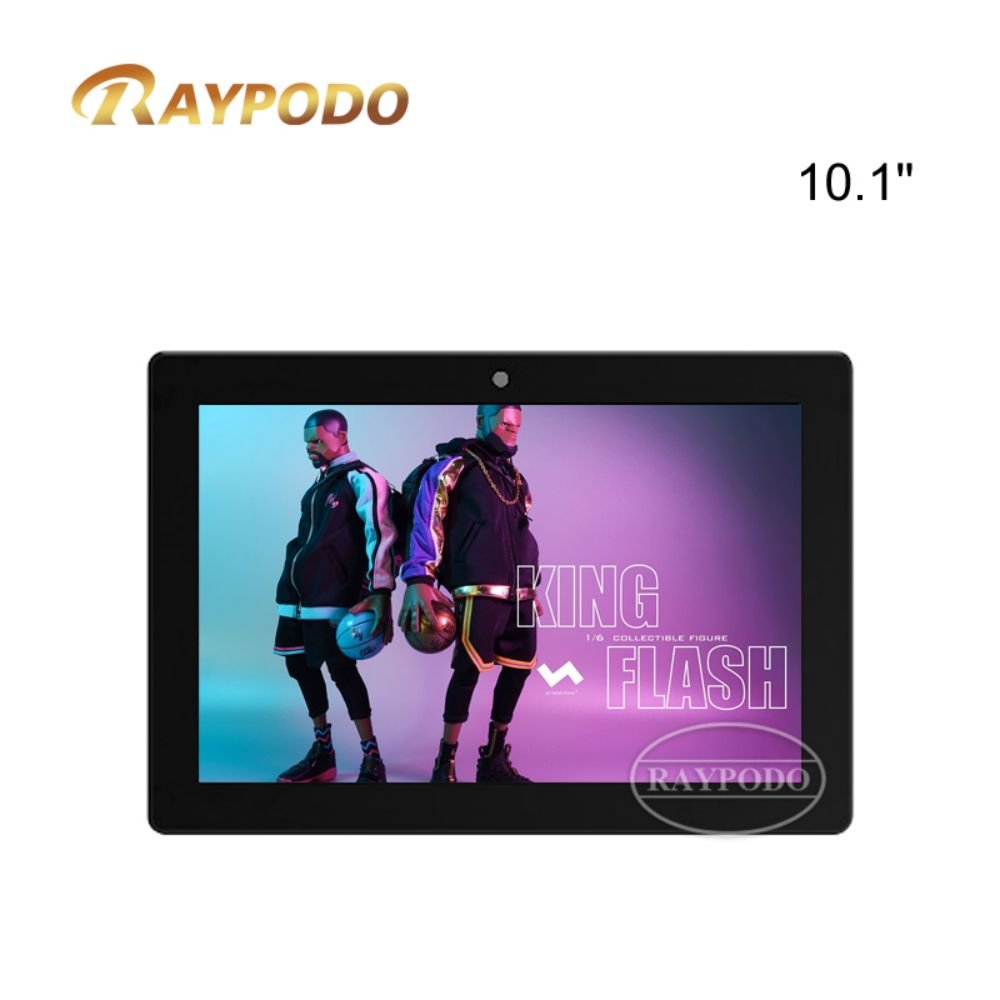
Raypodo PoE Tablet
Transforming Service Industries Through Digital Innovation
The hospitality and healthcare sectors represent critical service industries where effective communication significantly impacts customer satisfaction, operational efficiency, and overall experience quality. The Raypodo 10.1-inch tablet offers sophisticated solutions that address the unique challenges and opportunities within these environments, combining hygiene-conscious design with powerful functionality that enhances service delivery, information access, and customer engagement. This detailed examination explores the transformative potential of this technology in settings where clear communication and accessible information are paramount to success.
Technical Capabilities for Demanding Service Environments
The Raypodo 10.1-inch tablet delivers robust technical performance specifically engineered for hospitality and healthcare applications. The available chipset configurations – from the efficient RK3566 to the high-performance RK3588 – ensure optimal operation for diverse service scenarios. Healthcare facilities may prefer higher-specification models for critical information displays and patient interaction systems, while hospitality venues can select configurations based on specific application requirements and budget considerations. The Android operating system compatibility, spanning versions 11 through 14, provides access to specialized applications designed for healthcare information systems, hotel management platforms, and restaurant operations software.
Hospitality Applications: Digital Menu Systems and Guest Engagement
In restaurant and hotel settings, the tablet serves as a sophisticated digital menu board system that transforms how establishments present their offerings and interact with guests. The high-resolution display showcases food and beverage items with appealing visual quality that enhances perceived value and supports informed decision-making. Dynamic content capabilities allow for real-time menu updates based on inventory availability, seasonal changes, or promotional strategies. Integration with kitchen display systems and point-of-sale platforms ensures consistency between displayed offerings and actual availability, reducing errors and improving service efficiency. Beyond menu presentation, the devices serve as interactive concierge stations, event information displays, and wayfinding solutions that enhance the overall guest experience.
Healthcare Communication and Patient Education
Healthcare facilities utilize the tablet for patient information displays, wayfinding assistance, and educational content delivery that improves health literacy and patient engagement. In waiting areas, the devices can show wait times, health tips, and facility information that reduces anxiety and manages expectations. Examination rooms can employ the tablets for patient education, displaying anatomical information, procedure explanations, and treatment options that support informed consent and collaborative decision-making. The touchscreen capability allows patients to interact with educational content at their own pace, while integration with electronic health record systems enables personalized information delivery based on individual patient needs and conditions.
Hygiene and Safety Considerations
Particularly important in post-pandemic environments, the tablet incorporates features that support infection control protocols and hygiene maintenance. The device supports touchless interaction technologies including gesture control and proximity sensors that reduce surface contact while maintaining functionality. The durable construction withstands frequent cleaning with hospital-grade disinfectants, and seamless surfaces minimize areas where pathogens could accumulate. These features make the tablet suitable for healthcare settings where infection control is critical, and hospitality environments where guests appreciate visible cleanliness measures.
Queue Management and Service Optimization
Integrated queue management capabilities help optimize patient or customer flow in busy environments. In healthcare settings, this reduces congestion in waiting areas and improves patient satisfaction by providing transparency about wait times and service progression. Hospitality venues benefit from reduced perceived wait times through engaging content displays and clear queue information. The system can integrate with appointment scheduling platforms to provide accurate wait time predictions and service status updates, while automated notifications can alert customers when their turn approaches, allowing them to wait comfortably elsewhere rather than remaining in line.
Emergency Communication and Critical Information
The tablet serves as a vital component in emergency communication systems, displaying critical safety information, evacuation routes, and emergency procedures when needed. In healthcare settings, emergency protocols can be displayed instantly during critical situations, while hospitality venues can communicate safety information to guests during emergencies. The ability to update content instantly ensures that accurate, situation-specific information reaches affected individuals quickly, potentially life-saving in healthcare scenarios and crucial for guest safety in hospitality environments.
Multi-language and Accessibility Features
For international facilities and diverse user groups, the tablet supports multi-language content display that ensures information accessibility for all users. The system can automatically detect user language preferences or allow manual selection, presenting content in the most appropriate language. Accessibility features including screen readers, high-contrast modes, and adjustable text sizes accommodate users with visual, auditory, or motor impairments, ensuring compliance with accessibility standards and providing inclusive service experiences.
Integration with Service Management Systems
The tablet’s compatibility with various management systems ensures seamless operation within existing service infrastructures. Healthcare facilities can integrate with patient management systems, laboratory information systems, and pharmacy management platforms. Hospitality venues can connect with property management systems, point-of-sale platforms, and reservation systems. This interoperability creates a unified service environment where information flows seamlessly between customer-facing displays and backend operations, enabling features like real-time service status, personalized content, and integrated service delivery.
Durability and Reliability in Continuous Operation
Service environments demand reliable operation during extended business hours, and the Raypodo 10.1-inch tablet delivers consistent performance through robust construction designed for commercial use. Enhanced durability features protect against the wear and tear of high-traffic environments, while reliable components ensure uninterrupted operation during critical service periods. The device’s design facilitates easy maintenance and quick replacement if necessary, minimizing downtime and ensuring continuous service delivery.
Data Security and Privacy Protection
In environments handling sensitive personal information, the tablet incorporates advanced security features that protect data privacy and prevent unauthorized access. Healthcare applications benefit from compliance with relevant regulations regarding patient information display, while hospitality uses maintain guest privacy through appropriate security protocols. User authentication, data encryption, and access controls ensure that sensitive information remains protected while maintaining the usability required for service environments.
Click here to learn more about Raypodo tablets


Leave a Reply
You must be logged in to post a comment.