

Robust Kitchen Display System (KDS): Optimize Drive-thru Order Display Efficiency
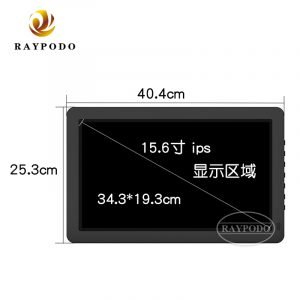
In the fast-paced quick-service restaurant (QSR) industry, a reliable Kitchen Display System (KDS) paired with a high-performance drive-thru order display is critical for reducing wait times and ensuring order accuracy. Raypodo’s 15.6 inch black tablet—forged with industrial-grade ABS material—delivers unmatched reliability, supporting wall-mounted or desktop setups exclusively for indoor kitchen and drive-thru lane environments, plus PoE functionality for hassle-free installation.
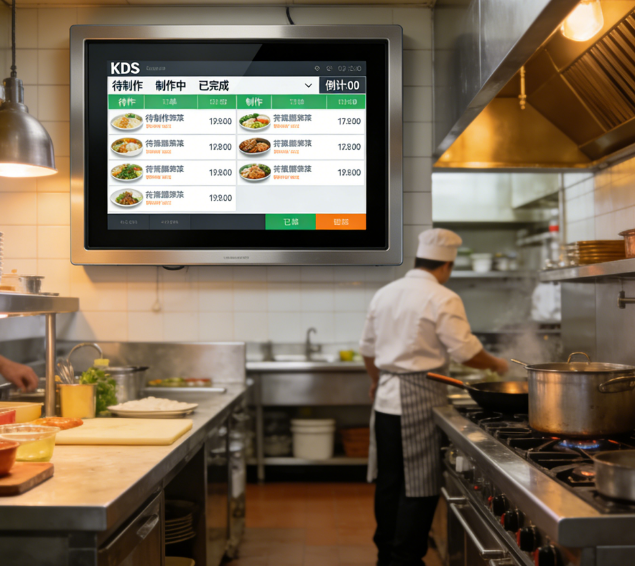
Kitchen Display System (KDS)
The QSR Revolution: KDS and Drive-thru Displays Transform Operations
Quick-service restaurants thrive on speed and efficiency, and outdated paper tickets and verbal communication are major bottlenecks. Kitchen Display System (KDS) technology has emerged as a game-changer, replacing manual processes with digital order tracking, while drive-thru order displays keep customers informed and reduce anxiety. Industry data shows that restaurants using KDS see a 35% reduction in order preparation time and a 50% drop in order errors—directly boosting customer satisfaction and revenue. Raypodo’s 15.6 inch tablet is engineered to power both KDS and drive-thru order display functions, becoming the backbone of modern QSR operations.
Raypodo 15.6 Inch Tablet: Built for Kitchen and Drive-thru Rigor
Crafted with a rugged, industrial-grade ABS shell, Raypodo’s 15.6 inch black tablet is designed to withstand the harsh conditions of commercial kitchens—extreme temperatures (within indoor limits), grease, and frequent cleaning. Unlike consumer-grade devices, it’s optimized for indoor use, avoiding performance issues caused by outdoor elements like rain or direct sunlight. The tablet’s PoE functionality is a critical advantage in busy kitchens: a single cable delivers power and data, eliminating the risk of grease buildup around power outlets or tangled cables that could cause accidents.
For KDS use, the tablet can be wall-mounted above prep stations or cooking lines, providing chefs with clear, real-time order information—including customizations, priority status, and pickup times. As a drive-thru order display, it can be placed in indoor kiosks near the drive-thru window or above the menu board, showing customers their order details, wait time estimates, and confirmation messages. The 15.6 inch screen is large enough for kitchen staff to read at a glance, even in busy, high-noise environments, while the black finish resists visible grease stains, maintaining a professional look.
Chipset Performance: Powering Critical QSR Workflows
Tablet chip technology is advancing to meet the demanding needs of QSR operations, and Raypodo’s four RK-series chipsets ensure the 15.6 inch tablet excels as both a Kitchen Display System (KDS) and drive-thru order display. The RK3566 (2GB RAM, 16/32GB ROM, Android 11) is an ideal entry-level option for small QSRs or single-lane drive-thrus, delivering reliable performance for basic order tracking, status updates, and text-based display. It handles core KDS functions—such as showing order items, preparation times, and staff assignments—without lag, even during peak lunch or dinner rushes.
For mid-sized QSRs with multiple prep stations or dual drive-thru lanes, the RK3568 (2GB RAM, 16/32GB ROM, Android 11/13) offers dual OS support, enabling seamless integration with popular QSR software like Toast, Square, or Clover. This chipset excels at syncing orders across multiple tablets—e.g., one at the drive-thru menu, one at the kitchen prep line, and one at the pickup window—ensuring consistency and reducing miscommunication. Its compatibility with both Android 11 and 13 allows businesses to choose the OS that best aligns with their existing tech stack, avoiding costly software overhauls.
High-volume QSRs or those with complex menus (e.g., customizations, combo meals, or allergen-specific orders) will benefit from the RK3576 (4GB RAM, 64GB ROM, Android 14). This chipset’s enhanced multitasking capabilities support real-time order modifications, priority flagging (e.g., “rush order” for drive-thru customers), and integration with inventory systems—automatically alerting staff if an ingredient is running low. The 64GB ROM provides ample storage for high-resolution order visuals, staff training videos, or backup data, ensuring uninterrupted operation even if the internet connection drops temporarily.
At the premium end, the RK3588 (4GB RAM, 32GB ROM, Android 12/13) delivers enterprise-grade performance for large QSR chains or 24-hour operations. It supports 4K display output, making order details—including small text like allergen warnings or special instructions—crystal clear for kitchen staff. Advanced security features, such as encrypted data transmission and remote device management, protect sensitive customer information (e.g., payment details) and allow IT teams to update software or troubleshoot issues across multiple locations from a central dashboard. This chipset also handles simultaneous KDS and drive-thru display functions effortlessly, showing real-time wait times to customers while updating chefs on order progress.
Design for Kitchen Durability: Beyond Basic Tablets
Raypodo’s 15.6 inch tablet is engineered with QSR-specific challenges in mind, starting with its industrial-grade ABS shell. Unlike consumer tablets, which scratch or degrade easily, this ABS material resists grease, oil, and harsh cleaning chemicals—critical in commercial kitchens where daily wipe-downs with sanitizing solutions are mandatory. The tablet’s sealed edges prevent grease or food particles from seeping into internal components, reducing the risk of hardware failure and extending lifespan.
The display is another key design feature: it uses anti-glare, scratch-resistant glass that remains visible even under bright kitchen lights or when splattered with oil. The touchscreen is responsive to gloved hands—a must for kitchen staff who can’t remove gloves between tasks—ensuring quick order updates or status changes without fumbling. The 15.6 inch size strikes the perfect balance: large enough to display multiple orders at once (up to 10-12 orders on a single screen) but compact enough to mount above crowded prep stations without obstructing workflow.
PoE functionality is a lifesaver for QSRs: in busy kitchens, power outlets are often scarce or cluttered with other appliances. A single Ethernet cable provides both power and data, eliminating the need for separate power adapters and reducing tripping hazards from loose cords. This also simplifies installation—IT teams can mount the tablet high on walls or in hard-to-reach areas without worrying about accessing power outlets, keeping the kitchen floor clear and safe.
For drive-thru use, the tablet’s black finish hides fingerprints and smudges, maintaining a professional appearance for customers. It can be paired with a weather-shielded enclosure (for indoor-facing drive-thru lanes) to protect against occasional splashes from car washes or rain, while its indoor optimization ensures performance isn’t affected by temperature fluctuations near open drive-thru windows.
Seamless Integration: KDS and Drive-thru as a Unified System
Raypodo’s tablet doesn’t just act as a standalone KDS or drive-thru order display—it integrates seamlessly with QSR ecosystems to create a unified operational hub. It syncs in real time with POS systems, automatically receiving orders as soon as they’re placed (whether via drive-thru kiosks, counter staff, or mobile apps) and updating statuses (e.g., “preparing,” “ready for pickup”) across all devices. This eliminates the need for manual order entry or verbal confirmations, reducing human error and speeding up service.
For drive-thru customers, the display shows a clear breakdown of their order, including item names, quantities, and customizations, along with a wait time estimate based on kitchen workflow. If a delay occurs (e.g., a custom burger takes extra time), the system can automatically update the display with a friendly message (“Your order is being crafted with care—thank you for waiting!”), reducing customer frustration. Once the order is ready, the display flashes a confirmation and directs the customer to the pickup window, streamlining the handoff process.
Kitchen staff benefit from customizable display layouts: they can prioritize drive-thru orders over counter orders, color-code items by prep station (e.g., fries, burgers, drinks), or sort orders by time received. The tablet also supports audible alerts for new orders or priority requests, ensuring no order is missed in noisy kitchen environments. Integration with inventory management systems allows the KDS to flag out-of-stock items before they’re ordered, preventing customer disappointment and reducing waste.
Why Raypodo Dominates QSR KDS and Drive-thru Solutions
Raypodo’s 15.6 inch tablet stands out in the QSR technology market for its uncompromising focus on reliability, durability, and efficiency—three pillars of successful quick-service operations. Its industrial-grade ABS construction is built to survive the harshest kitchen conditions, from grease and heat to frequent cleaning, ensuring a longer lifespan than consumer-grade tablets. PoE functionality simplifies installation and improves safety, while the four RK-series chipset options cater to QSRs of all sizes, from local burger joints to national chains.
The tablet’s dual functionality as both a Kitchen Display System (KDS) and drive-thru order display reduces hardware costs, eliminating the need to purchase separate devices for each task. Its seamless integration with existing QSR software and systems means businesses don’t have to overhaul their operations to adopt it—saving time and money on training and implementation.
Industry trends confirm that QSRs are investing heavily in digital transformation to meet customer demands for speed and accuracy. A recent report found that 82% of QSRs plan to upgrade their KDS or drive-thru technology within the next two years, and Raypodo’s tablet is perfectly positioned to lead this shift. By reducing order errors, cutting wait times, and streamlining workflows, it helps QSRs boost customer satisfaction, increase throughput, and drive revenue growth.
For QSR owners and operators looking to stay ahead of the competition, Raypodo’s Kitchen Display System (KDS) and drive-thru order display solution is the ultimate investment—combining rugged hardware, powerful performance, and user-friendly design to transform how quick-service restaurants operate.


Leave a Reply
You must be logged in to post a comment.