

Revolutionizing Public Transportation with Advanced Digital Signage
As urban centers evolve, so do the needs of their public transportation systems. Digital signage has emerged as a pivotal tool in transforming the way people navigate and interact with public transit. These innovative displays offer a blend of real-time information, safety updates, and engaging content, all while contributing to the efficiency and appeal of public transportation.
The Essential Role of Digital Signage in Public Transit
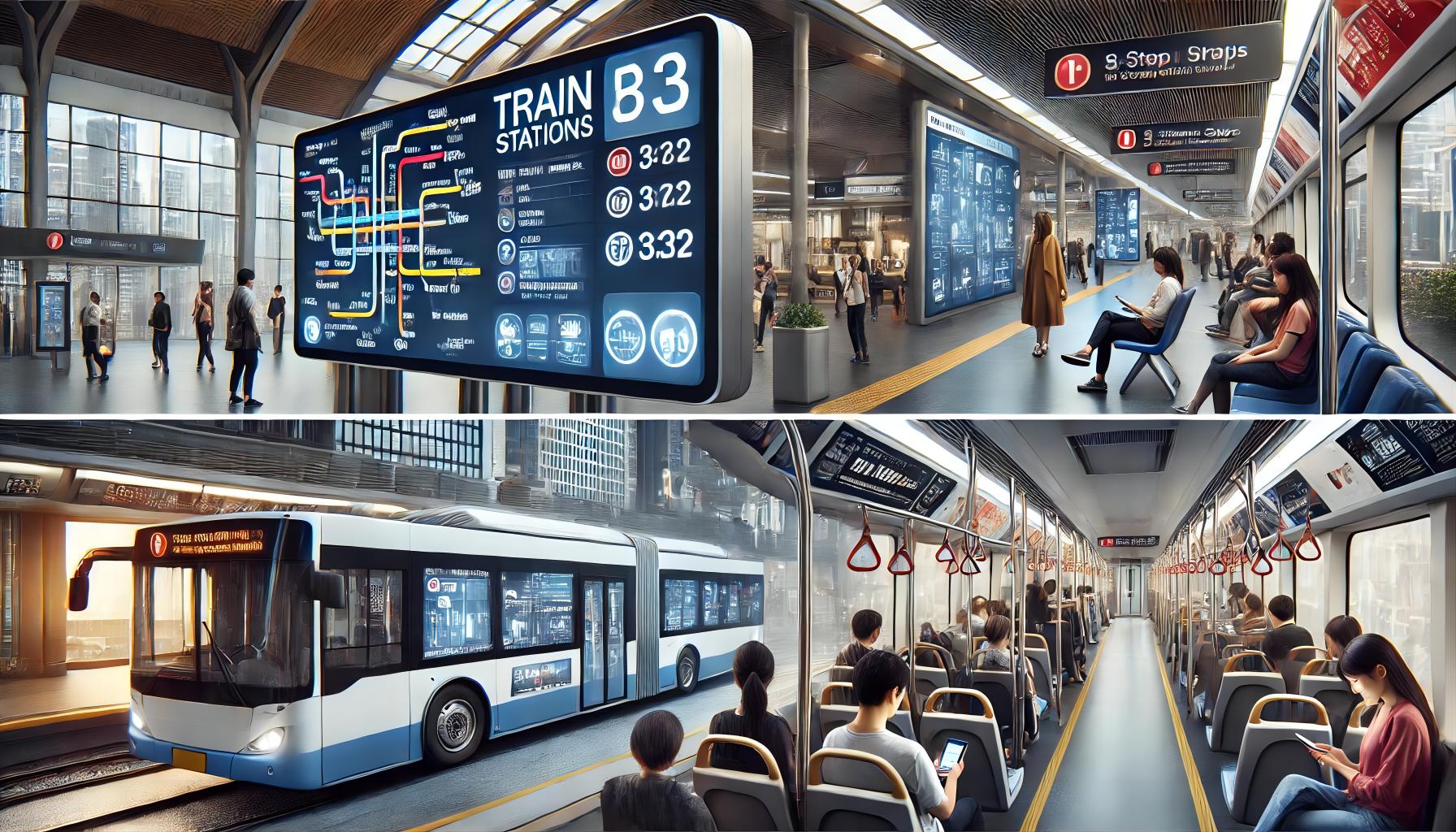
Digital signage in public transportation serves a myriad of functions that enhance both passenger experience and operational efficiency:
1. Real-Time Information:
– Schedules and Delays: Passengers receive up-to-the-minute updates on train and bus schedules, including delays and estimated arrival times.
– Route Information: Interactive maps and route details help commuters plan their journeys more effectively.
2. Wayfinding Assistance:
– Navigation: Clear, dynamic directions assist passengers in navigating through large and often complex transit hubs.
– Accessibility: Information tailored for individuals with disabilities, ensuring inclusive navigation assistance.

3. Emergency Alerts:
– Immediate Notifications: Rapid dissemination of critical information during emergencies, ensuring passenger safety and coordinated responses.
– Safety Instructions: Clear guidelines on evacuation routes and safety protocols.

4. Advertising Opportunities:
– Dynamic Content: Attractive, eye-catching advertisements that can be tailored to the demographics of the transit system’s user base.
– Revenue Generation: Increased revenue streams through premium advertising spaces in high-traffic areas.

Key Benefits of Digital Signage in Public Transportation
1. Enhanced Passenger Experience:
– Reduced Anxiety: Accurate and timely information helps alleviate passenger stress and uncertainty.
– Engaging Content: Displaying news, weather updates, and other engaging content to improve the overall journey experience.
2. Operational Efficiency:
– Reduced Staff Burden: Automated updates and alerts reduce the need for staff intervention, allowing personnel to focus on other critical tasks.
– Streamlined Communication: Centralized control of digital displays enables consistent and coordinated messaging across the transit network.
3. Safety and Security:
– Proactive Safety Measures: Real-time communication of safety measures and alerts can prevent incidents and ensure rapid response during emergencies.
– Enhanced Surveillance: Integration with surveillance systems to provide comprehensive safety solutions.
4. Increased Revenue:
– Advertising Income: High visibility locations within transit hubs offer lucrative opportunities for advertisers.
– Promotional Campaigns: The ability to run targeted promotional campaigns to boost local businesses and services.
Case Study: A Model of Digital Signage Implementation
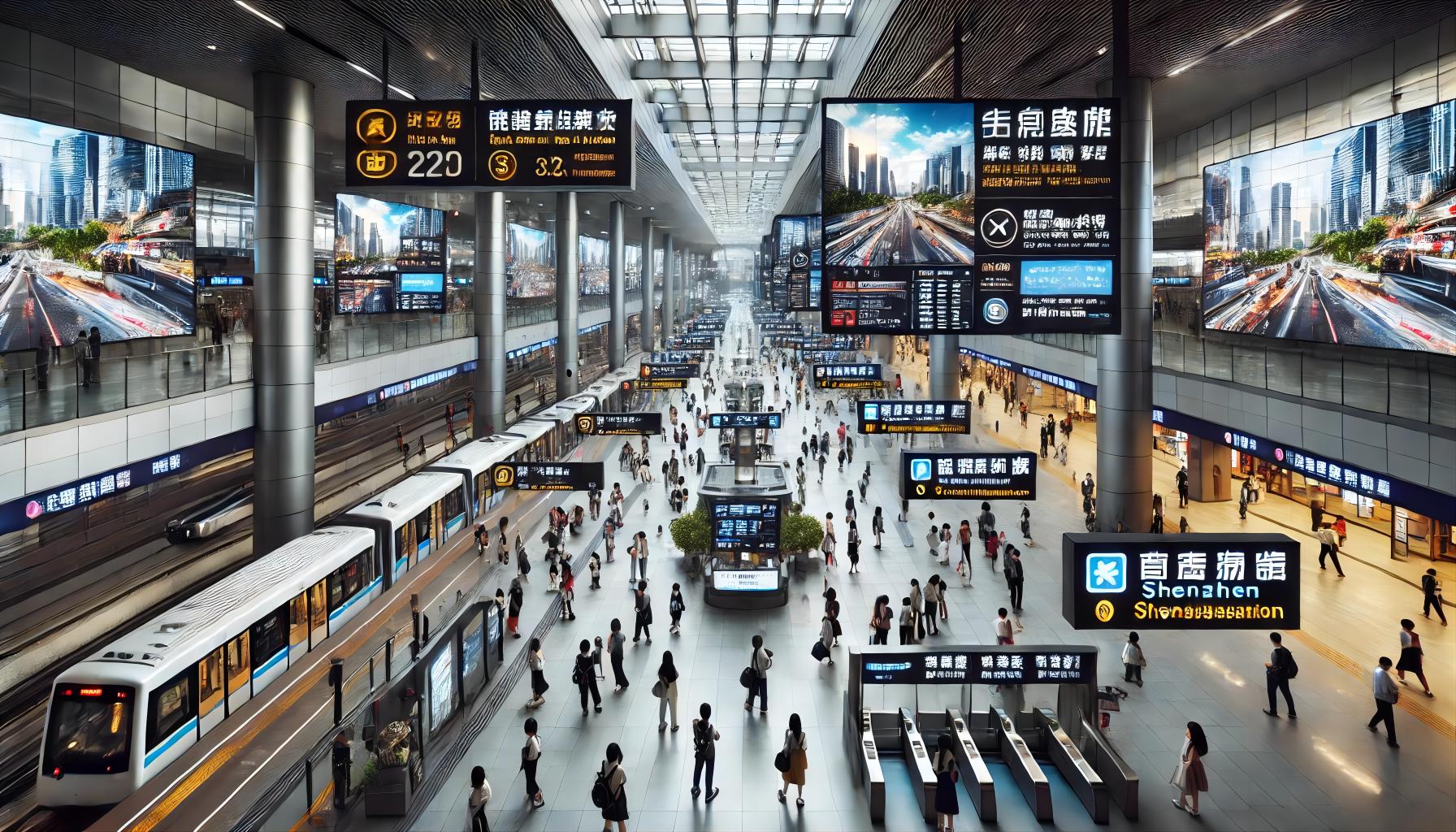
In Shenzhen , the transit authority successfully integrated over 500 digital screens throughout major transit hubs. These installations feature high-resolution displays that provide real-time updates, wayfinding assistance, and engaging content. The initiative has resulted in:
– 30% Increase in Passenger Satisfaction: Surveys indicated a significant boost in passenger satisfaction due to the clear and accessible information provided.
– Operational Efficiency Gains: Streamlined communication and reduced passenger inquiries have led to more efficient station operations.
– Safety Improvements: Enhanced safety protocols and rapid emergency communication have improved overall passenger security.
Selecting the Ideal Digital Signage Solutions
When considering digital signage for public transportation, several key factors should be taken into account:
– Durability: Choose weather-resistant, robust displays designed to withstand the demands of public environments.
– Visibility: Opt for high-resolution screens that remain clear and readable in various lighting conditions.
– Connectivity: Ensure reliable network connections for seamless real-time updates and remote content management.
– Scalability: Invest in solutions that can grow alongside the transit system, accommodating future expansions and technological advancements.

https://www.walmart.com/ip/Raypodo-Commercial-Grade-Tablet-21-5-inch-Touchscreen-Monitor-Rockchip-RK3568-With-Android-11-Universal-Wall-Mount-Tablet-PC-Black/5138135998?from=/search
Conclusion
Digital signage is not just a trend but a transformative tool that is redefining public transportation systems worldwide. By providing real-time information, improving safety, and enhancing the passenger experience, digital signage is paving the way for a smarter, more efficient, and more enjoyable transit future. As cities continue to grow and evolve, the adoption of advanced digital solutions will be essential in meeting the demands of modern urban mobility.





Leave a Reply
You must be logged in to post a comment.